What Is a Credit Utilization Ratio and Why It Matters for Your Credit Score
Your credit score can quietly tank without you ever missing a payment — and your credit utilization ratio is often the culprit. Understanding this one number could be the difference between getting approved for an apartment, a car loan, or a competitive interest rate.
What Is a Credit Utilization Ratio?
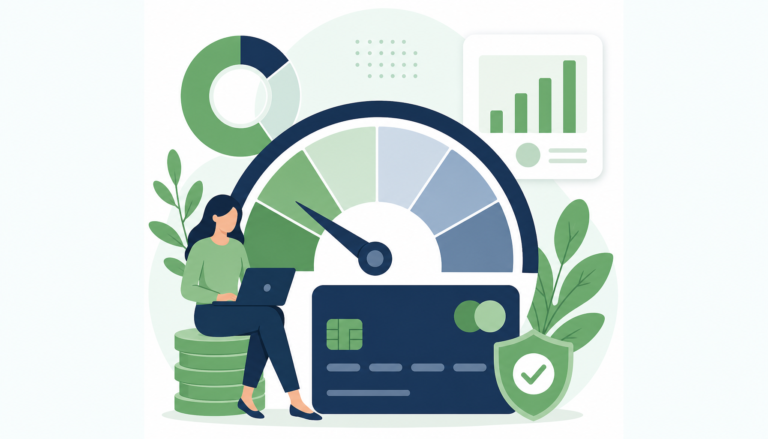
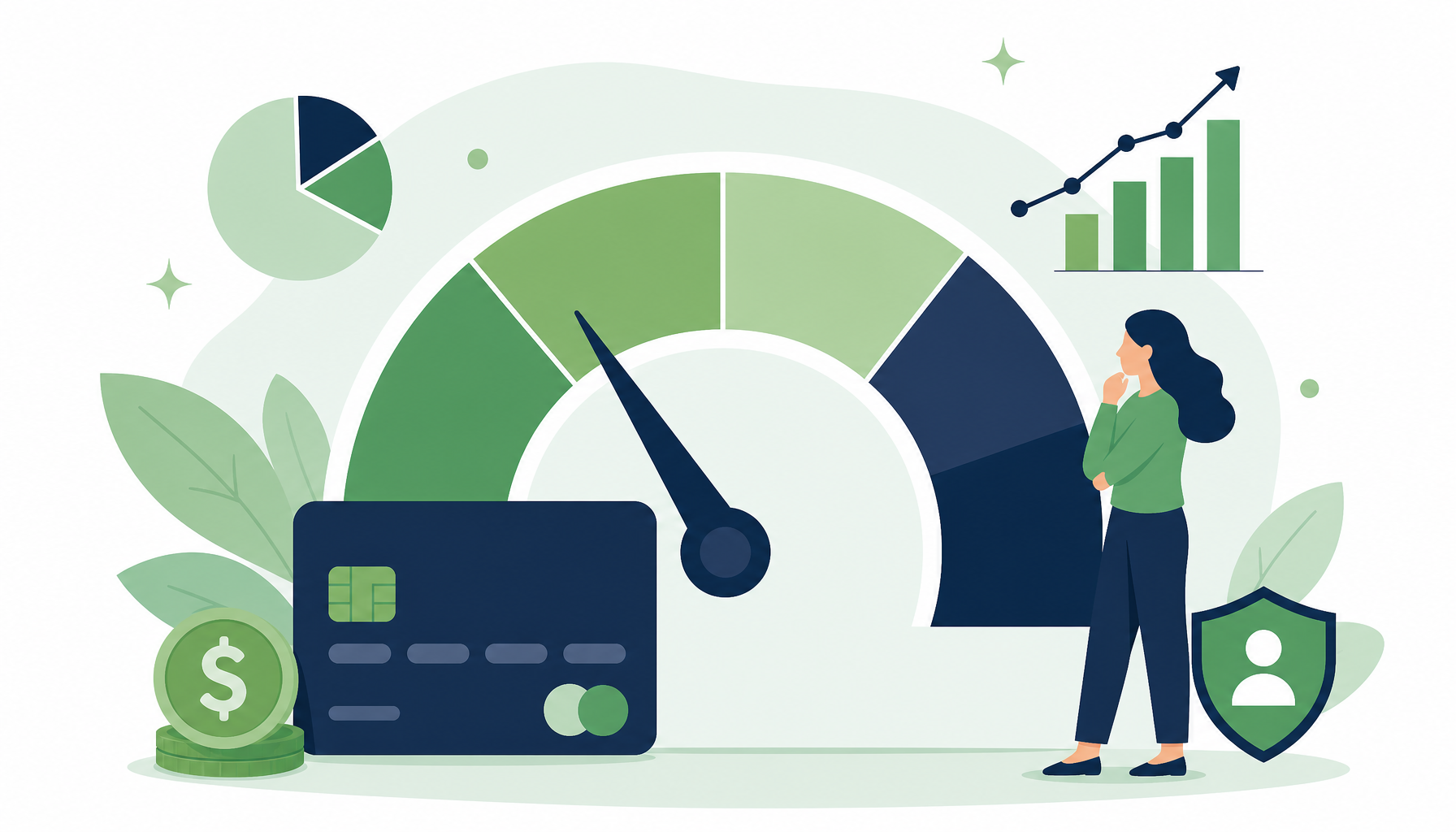
Your credit utilization ratio is the percentage of your total available revolving credit that you’re currently using. In plain terms, it’s how much of your credit card limit you’ve actually spent.
Here’s the basic formula:
Credit Utilization Ratio = (Total Credit Card Balances ÷ Total Credit Limits) × 100
So if you have a $1,000 credit limit and you’ve charged $300 to your card, your utilization ratio is 30%. Sounds simple, but this single metric carries serious weight in your financial life — and in 2026, lenders are paying closer attention to it than ever.
It’s worth noting that credit utilization only applies to revolving credit accounts, like credit cards and lines of credit. Installment loans like student loans, car loans, and mortgages don’t factor into this calculation.
How Does Credit Utilization Affect Your Credit Score?
Credit utilization is one of the most influential factors in your credit score. Under the FICO scoring model — which most lenders still use in 2026 — your amounts owed category makes up 30% of your total score. A large portion of that category is driven by your utilization ratio.
The lower your utilization, the better your score tends to look. Here’s why: lenders see high utilization as a red flag. If you’re consistently maxing out your cards, it signals that you might be relying too heavily on credit, which increases the perceived risk of lending to you.
Your utilization is also tracked both overall and per individual card. So even if your total utilization looks fine, having one card that’s nearly maxed out can still drag down your score. That’s a detail many people miss.
What Is a Good Credit Utilization Ratio?
The widely recommended benchmark is keeping your credit utilization below 30%. But here’s the thing — if you’re trying to maximize your credit score, you should aim even lower. People with excellent credit scores (750 and above) typically keep their utilization under 10%.
To break it down:
- Under 10% — Excellent. This range puts you in the best position for score optimization.
- 10%–29% — Good. Still favorable in most lenders’ eyes.
- 30%–49% — Fair. Your score may start to feel some drag here.
- 50% or higher — This is where real damage can happen. Lenders take notice, and your score reflects it.
Keep in mind that 0% utilization isn’t necessarily ideal either. Some scoring models actually prefer to see a small amount of activity, which shows you’re using credit responsibly rather than not at all.
How to Calculate Your Credit Utilization Ratio
Calculating your own utilization ratio takes less than five minutes. Here’s how to do it:
Step 1: Add up all the current balances across every credit card and revolving line of credit you have.
Step 2: Add up all the credit limits for those same accounts.
Step 3: Divide your total balances by your total limits, then multiply by 100.
Example:
- Card A: $400 balance / $2,000 limit
- Card B: $200 balance / $1,000 limit
- Card C: $0 balance / $500 limit
Total balance: $600
Total limit: $3,500
Utilization: $600 ÷ $3,500 = 17.1%
That’s a healthy number. But now imagine Card A had a $1,800 balance instead. Your overall utilization would jump to nearly 57%, and Card A alone would be at 90% — both of which would hurt your score significantly.
5 Practical Ways to Lower Your Credit Utilization Ratio
If your utilization is running too high, the good news is that this is one of the fastest credit factors you can actually change. Here are five strategies that work:
1. Pay Down Your Balances More Aggressively
The most direct fix is paying off your card balances. Even making a second payment mid-month before your statement closes can lower the balance that gets reported to the credit bureaus.
2. Ask for a Credit Limit Increase
If your income has grown or you’ve been a reliable customer, call your credit card issuer and request a higher limit. If your balance stays the same but your limit goes up, your utilization ratio drops automatically. Just make sure you don’t use the extra room as an invitation to spend more.
3. Spread Spending Across Multiple Cards
Instead of loading all your purchases onto one card, distributing charges across several cards keeps individual card utilization low. This is especially useful if you have one card with a lower limit.
4. Keep Old Accounts Open
Closing a credit card reduces your available credit, which instantly raises your utilization ratio — even if your balances stay the same. Unless there’s a compelling reason to close an account (like a high annual fee you’re not getting value from), keeping old cards open and occasionally using them is usually the smarter move.
5. Time Your Payments Strategically
Credit card companies typically report your balance to the credit bureaus once a month, usually around your statement closing date. If you pay your balance down before that date — rather than just before the due date — you can ensure a lower balance gets reported, which means a better utilization rate shows up on your credit report.
How to Track Your Credit Utilization for Free
Staying on top of your credit utilization doesn’t require a paid subscription or a finance degree. One of the easiest ways to monitor it in 2026 is through Credit Karma, which gives you free access to your credit scores and reports from TransUnion and Equifax. It also breaks down exactly what’s affecting your score, including your current utilization rate and how it compares to recommended ranges.
Credit Karma updates your information regularly and sends alerts when something changes, so you’re never caught off guard by a score drop. Whether you’re building credit from scratch or cleaning up old habits, having real-time visibility into your utilization is a genuinely useful tool. It’s free to sign up, and there’s no credit card required to get started.
Common Credit Utilization Mistakes to Avoid
Even people who understand the basics can fall into a few traps. Here are the most common mistakes to watch for:
Assuming on-time payments are enough. Paying your bill on time is critical, but it doesn’t cancel out high utilization. Both factors work independently on your score.
Forgetting about individual card utilization. You can have a healthy overall utilization but still get penalized for one maxed-out card. Lenders and scoring models look at both.
Carrying a balance to build credit. This is one of the most persistent myths in personal finance. You don’t need to carry a balance month to month — and pay interest — to build credit. Paying in full each month while keeping utilization low is actually the better approach.
Applying for too many new cards at once to raise limits. Opening multiple new accounts in a short window triggers hard inquiries and lowers your average account age, both of which can hurt your score even as your total limit increases.
Ignoring authorized user accounts. If you’re an authorized user on someone else’s credit card and they have high utilization, it can affect your score too. It works in both directions, so be thoughtful about whose accounts you’re linked to.
Conclusion
Your credit utilization ratio is one of the most actionable parts of your credit profile, and in 2026, staying on top of it is easier than ever. The bottom line is simple: keep your balances low relative to your limits, check in on your score regularly, and avoid the common traps that quietly chip away at your credit health.
Your next step is to calculate your current utilization ratio using the formula above, then log in to — or sign up for — Credit Karma to see exactly where you stand. If your utilization is above 30%, pick one of the strategies from this article and start working on it this week. Small, consistent changes add up faster than most people expect.
Frequently Asked Questions
What is a good credit utilization ratio?
Most financial experts recommend keeping your credit utilization ratio below 30%. However, if you want to optimize your credit score, aim for under 10%. People with excellent credit typically stay in single digits.
Does paying off my credit card in full each month help my utilization?
Yes, but timing matters. Your card issuer reports your balance to the credit bureaus around your statement closing date, not your payment due date. If you pay in full after the statement closes, the reported balance may still be high. Pay before your statement date to report a lower — or zero — balance.
Can a high credit utilization ratio hurt my score even if I pay on time?
Absolutely. Payment history and credit utilization are separate factors. You can have a spotless payment record and still see your score drop if your utilization is consistently high.
Does closing a credit card hurt my credit utilization?
Yes. Closing a card removes that card’s credit limit from your total available credit, which increases your utilization ratio if you still have balances on other cards. It’s usually better to keep cards open and unused unless the card has costs that outweigh the benefit.
How often does my credit utilization ratio change?
Your utilization ratio updates every time your credit card issuer reports a new balance to the credit bureaus, which typically happens once per month. This means your ratio can change significantly from month to month depending on your spending and payments.