How to Build Credit as a College Student in 2026 (Step-by-Step Guide)
Your credit score can open — or slam shut — more doors than you realize, and the best time to start building it is right now, while you’re still in school. Most college students don’t think about credit until they need it, and by then, it’s already too late to have a strong score working in their favor.
If you’re between 18 and 35 and trying to figure out how money actually works, this guide is for you. Building credit as a college student in 2026 is more accessible than ever, and you don’t need to make a lot of money or carry debt to do it. You just need to know the right moves and make them consistently.
Why Your Credit Score Matters More Than You Think
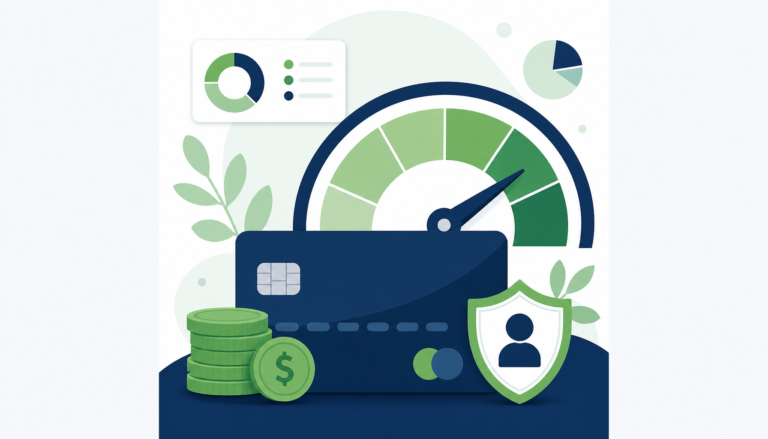
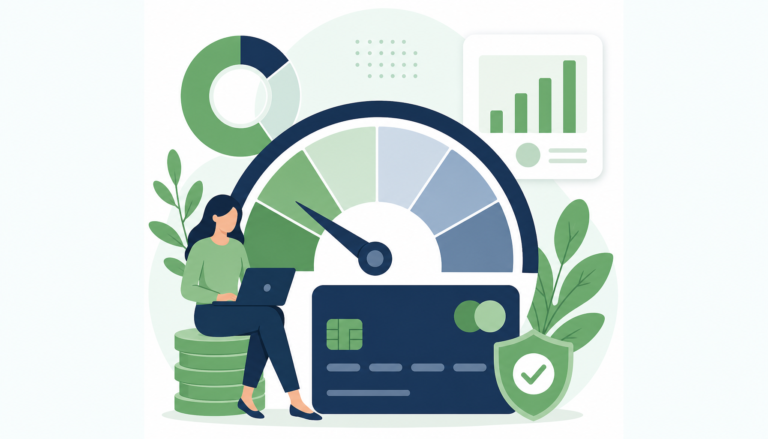
Before diving into the how, let’s talk about the why. Your credit score is a three-digit number — typically between 300 and 850 — that tells lenders how reliable you are with borrowed money. A good score (generally 670 or above) can help you qualify for apartment leases, get approved for car loans, land better interest rates on future mortgages, and in some cases, even influence job applications.
In 2026, with inflation still affecting everyday costs and housing prices remaining elevated in many cities, having strong credit is essentially a financial superpower for young adults. The earlier you start, the more time you have to build a solid history — and lenders love a long, clean record.
The average age of your credit accounts is a factor in your score, which means starting at 18 genuinely gives you a head start over someone who waits until 25. That five-to-seven-year difference in credit history length can meaningfully impact your score when you actually need it.
Start With a Secured Credit Card or Student Credit Card
The most straightforward way to build credit as a college student is to open a credit card designed for beginners. You have two main options here.
Secured credit cards require a refundable deposit — usually $200 to $500 — that becomes your credit limit. You charge small purchases to it, pay the balance in full every month, and the card issuer reports your payment activity to the credit bureaus. Over time, this builds your credit history. Many issuers will upgrade you to an unsecured card after 12 to 18 months of responsible use.
Student credit cards are unsecured cards built specifically for people with limited or no credit history. They often come with low credit limits and minimal perks, but they do the job. Some, like the Discover it Student Cash Back, even offer rewards and a cash back match in your first year.
The golden rule with either option: never charge more than 30% of your credit limit, and always pay your balance in full and on time. If your limit is $500, keep your balance under $150. This keeps your credit utilization ratio low, which is one of the biggest factors in your score.
Become an Authorized User on a Parent’s Card
If opening your own card feels daunting — or if you’ve been denied because you have zero credit history — there’s a shortcut worth knowing about. Ask a parent or trusted family member if you can be added as an authorized user on their credit card account.
Here’s how it works: you get added to their account, and their credit history on that card gets reported to your credit file too. If they’ve had the card for years and always paid on time, that positive history can give your score a real boost without you ever having to swipe the card yourself.
A few important notes. First, make sure the card issuer actually reports authorized user activity to the credit bureaus — most major issuers do, but it’s worth confirming. Second, the primary cardholder’s behavior affects your score, so only do this with someone who manages their credit responsibly. Third, you don’t necessarily need to use the card at all for it to help your score.
This strategy works best as a starting point while you work toward establishing your own primary credit accounts.
Use Credit Karma to Track Your Progress
Once you start building credit, you need a way to monitor it — and this is where Credit Karma becomes genuinely useful. Credit Karma is a free tool that lets you check your TransUnion and Equifax credit scores anytime without it affecting your score.
For college students just starting out, Credit Karma is an excellent first step. You can see your scores update weekly, get a breakdown of the factors affecting your score, and receive alerts if anything changes on your report — like a new account being opened or a missed payment showing up.
Beyond just checking scores, Credit Karma also shows you your full credit reports and flags any errors or suspicious activity that could be dragging your score down. Disputing errors on your credit report is one of the fastest ways to improve your score, and it starts with actually knowing what’s on there.
Setting up a free Credit Karma account takes about five minutes. Make it a habit to check in once a month. This kind of regular monitoring is what separates people who accidentally build credit from people who intentionally build it.
Pay Every Bill on Time, Every Time
Payment history is the single largest factor in your credit score, making up 35% of your FICO score. That means one missed payment can do real damage, while a consistent track record of on-time payments is your most powerful tool for building credit.
Set up autopay for the minimum payment on any credit card you open. Then pay the full balance manually before the due date whenever you can. This way, even if you forget, the autopay safety net means you’ll never accidentally miss a payment.
Beyond credit cards, other bills can also help or hurt your credit in 2026. Some rent reporting services now allow landlords — or tenants directly — to report on-time rent payments to credit bureaus. If you’re living off campus and paying rent, look into services like Rental Kharma or Boom to see if your rent payments can count toward your credit building.
Student loans, if you have them, also show up on your credit report. While you’re likely in deferment during school, any payments you make voluntarily will be reported and can contribute positively to your history.
Understand What Actually Affects Your Score
Building credit effectively means understanding what moves the needle. Your FICO score, which is the most widely used scoring model, breaks down like this:
- Payment history (35%): Are you paying on time?
- Credit utilization (30%): How much of your available credit are you using?
- Length of credit history (15%): How long have your accounts been open?
- Credit mix (10%): Do you have different types of credit?
- New credit (10%): Have you recently applied for new accounts?
For college students, the first two factors — payment history and credit utilization — are where you should focus almost all of your attention. These are the most controllable and have the biggest impact.
Avoid the temptation to apply for multiple cards at once. Every hard inquiry (when a lender checks your credit during an application) can temporarily ding your score by a few points and stays on your report for two years. One or two well-chosen accounts is better than five mediocre ones.
Avoid These Common Credit Mistakes in College
Knowing what to do is only half the equation. Knowing what to avoid can save you from setbacks that take years to recover from.
Maxing out your credit card is one of the fastest ways to hurt your score. Even if you pay it off every month, a high balance at the time your statement closes will be reported as high utilization. Aim to keep balances low all the time, not just on due dates.
Closing old accounts seems logical if you’re not using a card anymore, but it shortens your average account age and reduces your available credit, both of which can lower your score. If there’s no annual fee, keeping an old account open with occasional small purchases is usually better than closing it.
Co-signing loans for friends might feel like a nice gesture, but if they miss payments, those missed payments show up on your credit report too. Be very cautious about this during college.
Ignoring your credit report is a mistake that costs people money every year. Errors are more common than you’d think. Someone else’s debt could show up on your file, or a paid account might be incorrectly marked as delinquent. Check your reports at AnnualCreditReport.com at least once a year — it’s free and federally mandated.
Conclusion: Your Credit Journey Starts With One Step
Building credit as a college student in 2026 isn’t complicated, but it does require consistency. The students who finish college with strong credit scores aren’t doing anything extraordinary — they’re just doing the basics right, month after month.
Here’s your concrete next step: this week, open a free Credit Karma account to see where you’re starting from. Then apply for one beginner-friendly credit card — either a secured card or a student card — and commit to using it for small recurring purchases like a streaming subscription or gas, then paying it off in full every month.
Do that for 12 months and you’ll be surprised how far you’ve come. Your future self — the one trying to rent an apartment, buy a car, or qualify for a mortgage — will thank you.
Frequently Asked Questions
Can I build credit as a college student with no income?
Yes, you can. If you’re under 21, the CARD Act of 2009 requires you to show independent income or have a co-signer for most credit card applications. However, you can still become an authorized user on a parent’s account, which doesn’t require income. Some secured cards also have more flexible income requirements since you’re providing a deposit as collateral.
How long does it take to build a good credit score from scratch?
Most people can reach a “good” score of 670 or higher within 12 to 24 months of responsible credit use, assuming no negative marks like missed payments. Getting to 750 or above typically takes three to five years of clean credit history.
Does checking my own credit score hurt it?
No. Checking your own score is called a soft inquiry and has no impact on your credit score. You can check it as often as you want through tools like Credit Karma without any penalty.
What’s the best credit card for college students in 2026?
Popular options include the Discover it Student Cash Back, the Capital One SavorOne Student card, and the Chase Freedom Rise. If you have no credit history at all, a secured card like the Discover it Secured or the Capital One Platinum Secured is a great starting point.
Should I get more than one credit card in college?
Generally, one card is enough to start. Focus on building a clean history with a single account before adding more. Once you’ve had your first card for a year or more and your score is improving, you can consider a second card — ideally one that complements your spending habits and doesn’t come with a high annual fee.