How to Get a Personal Loan With Bad Credit in 2026 (And Actually Get Approved)
Having bad credit doesn’t mean you’re out of options — it just means you need a smarter strategy. If you know how lenders actually make decisions, you can position yourself to get a personal loan with bad credit in 2026 without getting taken advantage of.
Whether your credit took a hit from missed payments, medical debt, or just never having enough history to build a solid score, this guide breaks down exactly what to do next. No fluff, no shame — just practical steps that work.
What “Bad Credit” Actually Means for Personal Loans
Before you start applying anywhere, it helps to understand what lenders are looking at. Most traditional lenders use your FICO score to assess risk. Here’s a rough breakdown of where scores fall:
- 300–579: Poor (bad credit)
- 580–669: Fair
- 670–739: Good
- 740+: Very good to exceptional
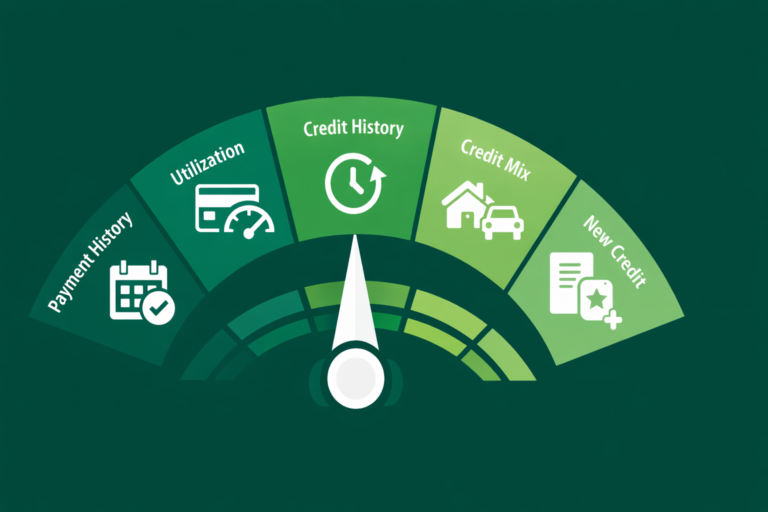
If your score sits below 580, you’re in the “poor” range, and many traditional banks will decline your application outright. But here’s the thing — your credit score is only one piece of the picture. Lenders also look at your income, employment history, debt-to-income ratio, and even your banking history. Understanding this gives you leverage.
In 2026, a growing number of online lenders and credit unions use alternative data — like rent payment history or utility payments — to assess creditworthiness. That’s a real shift from even five years ago, and it works in your favor.
Check Your Credit Before You Apply Anywhere
This step matters more than most people realize. Applying for loans without knowing your credit profile is like applying for jobs without knowing your resume. You need to see what lenders see.
Start by pulling your free credit reports from AnnualCreditReport.com. You’re entitled to free weekly reports from all three bureaus — Equifax, Experian, and TransUnion. Look for:
- Errors or outdated information — these are more common than you’d think and can tank your score unfairly
- Accounts in collections — these weigh heavily on your score
- High credit utilization — if you’re using more than 30% of your available credit, that’s hurting you
If you want a simple way to monitor your score and get personalized recommendations, Credit Karma is a great free tool to have in your corner. It shows you your TransUnion and Equifax scores, flags what’s dragging them down, and suggests loan products that match your current profile — so you’re not applying blind and racking up hard inquiries.
Dispute any errors you find directly with the bureaus. Even fixing one reporting mistake can bump your score enough to qualify for better loan terms.
Types of Lenders That Work With Bad Credit
Not all lenders are created equal, and if you walk into a traditional bank with a 540 credit score, you’re probably going to walk back out empty-handed. Here’s where to actually look:
Online Personal Loan Lenders
Online lenders like Upstart, Avant, and LendingPoint were built specifically to serve borrowers who fall outside the traditional banking mold. Many use AI-driven underwriting that factors in education, employment history, and income alongside your credit score. Rates will be higher than what a prime borrower gets, but they’re often more reasonable than credit cards — and they come with fixed monthly payments, which makes budgeting easier.
Credit Unions
If you’re not already a member of a credit union, 2026 is a good year to join one. Credit unions are nonprofit financial institutions that tend to be more flexible with lending criteria than big banks. Many offer “credit builder” programs alongside personal loans, and interest rates are frequently capped lower than what you’d find with a private lender. Membership is usually easier to obtain than people think — many are open to anyone in a certain geographic area or profession.
Payday Alternative Loans (PALs)
Offered by federal credit unions, PALs are short-term loans designed to replace predatory payday loans. In 2026, PALs allow borrowing up to $2,000 with repayment terms up to 12 months and interest rates capped at 28%. If you need a small loan fast and you qualify, this is one of the safer options out there.
Peer-to-Peer Lenders
Platforms like Prosper connect borrowers directly with individual investors. They may be more willing to work with lower credit scores, and the application process is typically all online. Just compare the APR carefully — some P2P rates can climb just as high as any other bad credit lender.
How to Improve Your Approval Odds Right Now
You don’t have to wait years to get a loan. There are things you can do in the next few weeks to meaningfully improve your chances:
Add a co-signer. If you have a parent, partner, or close friend with good credit who trusts you, adding them as a co-signer to your loan application can dramatically improve your approval odds and lower your interest rate. Just make sure both of you understand that if you miss payments, it affects their credit too.
Apply for a secured personal loan. Some lenders offer secured personal loans where you put up collateral — like a savings account or CD — to back the loan. Because the lender has a safety net, they’re more willing to approve you even with bad credit.
Lower your debt-to-income ratio first. Lenders want to see that you have enough income left over after existing debt payments to cover a new loan. Paying down a credit card balance or reducing other obligations before you apply can shift this number in your favor.
Prequalify, don’t apply cold. Many lenders let you prequalify with a soft credit check, which doesn’t affect your score. Use this to compare offers before you commit to a hard inquiry.
What to Watch Out For: Bad Credit Loan Scams in 2026
When you’re financially stressed and hunting for a loan, scammers know exactly how to find you. In 2026, predatory lending and outright fraud targeting people with bad credit is still a serious problem. Here’s what to watch for:
- Upfront fee requirements — Legitimate lenders do not charge you a fee before you receive your loan. Period. If someone asks for a processing fee, insurance payment, or “security deposit” before funding, walk away.
- Guaranteed approval claims — No legitimate lender can guarantee approval without reviewing your application. This is a red flag, always.
- Pressure to act immediately — Scammers create false urgency. A real lender will give you time to review your loan agreement.
- No physical address or licensing — Check that any lender is registered to operate in your state. You can verify this through your state’s financial regulatory authority.
Also be cautious about payday loans with triple-digit APRs. While not technically a scam, a 400% APR loan can trap you in a debt cycle that’s very hard to escape.
What Interest Rates Should You Expect With Bad Credit?
Let’s be honest: borrowing with bad credit is going to cost more. That’s the trade-off. But knowing what’s reasonable helps you avoid getting gouged.
In 2026, personal loan APRs for borrowers with poor credit typically range from 18% to 36% through legitimate online lenders. Some lenders go higher, which is where you need to be careful. Compare that to the average credit card APR — which sits around 21–24% right now — and you can see why a fixed-rate personal loan can still be the smarter choice for consolidating debt or covering a major expense, as long as you’re borrowing from a reputable lender.
Always look at the total cost of the loan — not just the monthly payment. A longer repayment term might lower your monthly payment but dramatically increase what you pay overall.
Building Credit While You Repay
Here’s the part most articles skip: getting a personal loan with bad credit, and repaying it responsibly, is actually one of the fastest ways to improve your score. Every on-time payment gets reported to the credit bureaus and adds positive history to your file.
A few things to keep in mind as you repay:
- Set up autopay if the lender offers it — some even give you a small interest rate discount for doing so
- Don’t take on additional debt while you’re repaying the loan
- Keep your credit card utilization low during this period
- Use Credit Karma or a similar tool to track how your score moves month over month
Over 12 to 24 months of consistent payments, it’s realistic to move from the poor credit range into fair or even good territory. That unlocks better loan terms, lower insurance rates, and more financial options across the board.
Conclusion
Getting a personal loan with bad credit in 2026 is absolutely possible — but the path requires a little more strategy than it does for someone with a 750 score. Start by pulling your credit reports and understanding exactly where you stand. Check for errors, explore the right types of lenders (credit unions and online lenders first), and use tools like Credit Karma to compare options without tanking your score with unnecessary hard inquiries.
Your next step: head to Credit Karma today, get your free credit snapshot, and use their loan recommendation tool to see what you actually qualify for right now. You might be surprised at what’s available — and you’ll definitely be better prepared to borrow smart.
Frequently Asked Questions
Can I get a personal loan with a 500 credit score?
Yes, it’s possible. Some online lenders and credit unions will work with scores as low as 500, though you should expect higher interest rates and possibly lower loan amounts. Adding a co-signer or offering collateral can improve your chances significantly.
Will applying for a personal loan hurt my credit score?
Prequalifying with a soft inquiry won’t affect your score at all. However, when you formally apply, the lender will run a hard inquiry, which can temporarily lower your score by a few points. If you apply to multiple lenders within a short window (typically 14–45 days), credit bureaus often count it as a single inquiry.
How long does it take to get a personal loan with bad credit?
Many online lenders can approve and fund a loan within one to three business days once your application is complete. Credit unions may take a bit longer depending on their internal process, sometimes up to a week.
What’s the difference between a secured and unsecured personal loan?
An unsecured personal loan doesn’t require collateral — it’s approved based on your creditworthiness alone. A secured personal loan requires you to put up an asset (like a savings account) as collateral. Secured loans are easier to qualify for with bad credit but come with the risk of losing your collateral if you default.
Should I use a personal loan to pay off credit card debt if I have bad credit?
It depends on the interest rates. If you can get a personal loan at a lower APR than your current credit cards, consolidating that debt makes financial sense. You’ll also benefit from a fixed repayment schedule, which makes it easier to budget and stay on track. Just be careful not to run up the credit cards again after paying them off.