What Is a Good Credit Score? A Simple Guide for Anyone Starting Out
What Is a Good Credit Score? A Simple Guide for Anyone Starting Out
Wondering what is a good credit score? Learn the score ranges, why they matter, and how to improve yours fast — even if you’re starting from zero.
—
What Is a Good Credit Score? A Simple Guide for Anyone Starting Out
Your credit score is a three-digit number that can quietly shape your entire financial life — and most people have no idea what theirs even means. Whether you’re applying for your first apartment, financing a car, or just trying to adult without getting destroyed by interest rates, understanding what a good credit score looks like is one of the most important money moves you can make in your 20s and 30s.
Credit Score Ranges: What the Numbers Actually Mean
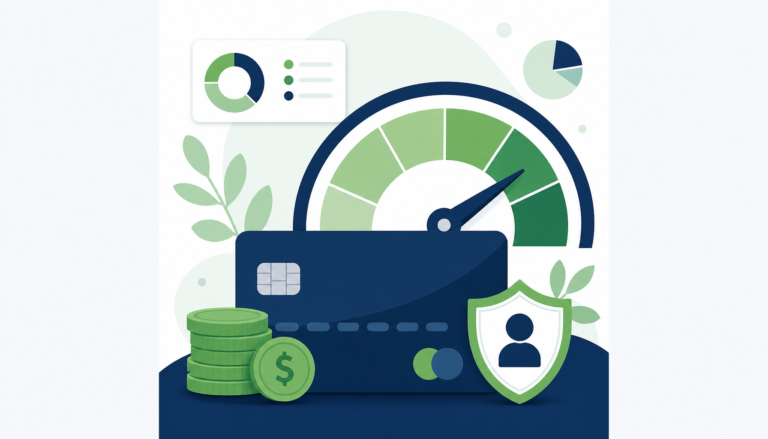
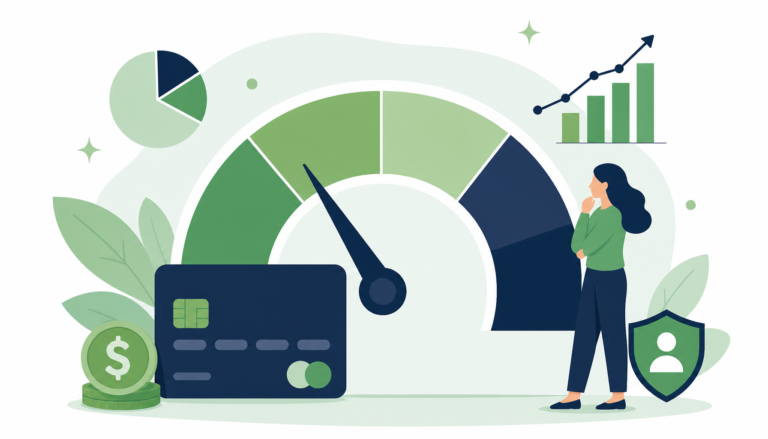
Before you can know if your score is “good,” you need to understand how the scoring system is set up. The most widely used model is the FICO score, which ranges from 300 to 850. Here’s how lenders generally interpret those numbers:
| Credit Score Range | Rating | What It Means |
|---|---|---|
| 800–850 | Exceptional | Best rates, easiest approvals |
| 740–799 | Very Good | Above average, competitive rates |
| 670–739 | Good | Most lenders approve you |
| 580–669 | Fair | Higher rates, limited options |
| 300–579 | Poor | Most applications declined |
There’s also the VantageScore model, which uses the same 300–850 range and similar categories. Most lenders rely on FICO, but VantageScore is often what you’ll see when checking your score through free apps.
So What Is a Good Credit Score, Really?
The honest answer: it depends on what you’re trying to do. But if you want a clean benchmark, **670 is the floor for “good” according to FICO**, and anything above 720 will get you meaningfully better deals across the board.
For most major financial decisions, here’s what the numbers look like in practice:
– **Renting an apartment:** Most landlords want to see at least a 620–650. Big cities and competitive markets may require 700+.
– **Buying a car:** You can often get financed with a 600, but the interest rate gap between a 600 and a 750 can cost you thousands over the life of the loan.
– **Getting a mortgage:** Conventional loans typically require 620 minimum, but you’ll want 740+ to access the best mortgage rates. The difference between a 680 and a 760 on a 30-year mortgage can literally cost you tens of thousands of dollars.
– **Credit cards:** Basic cards are accessible with fair credit. Premium rewards cards with travel perks and cash back usually require 700+.
The takeaway? You can survive with a fair score, but a good-to-excellent score is where life gets noticeably cheaper.
What Goes Into Your Credit Score?
You can’t improve something you don’t understand. Your FICO score is calculated using five factors, each weighted differently:
– **Payment History (35%):** The single biggest factor. Pay on time, every time. One missed payment can drop your score by 50–100 points.
– **Credit Utilization (30%):** This is the percentage of your available credit you’re using. Keeping it under 30% is the rule of thumb — under 10% if you’re serious about a high score.
– **Length of Credit History (15%):** The longer your accounts have been open, the better. This is why closing old credit cards can actually hurt you.
– **Credit Mix (10%):** Having a variety of credit types — a credit card, a student loan, an auto loan — signals that you can manage different kinds of debt.
– **New Credit (10%):** Every time you apply for new credit, it triggers a “hard inquiry” that can temporarily dip your score by a few points.
Understanding these categories is the roadmap for improving your score strategically instead of just hoping it goes up.
How to Check Your Credit Score for Free
You should know your score before you do anything else. The good news: you don’t have to pay for it.
**Credit Karma** is one of the best free tools out there for this, and it’s completely worth bookmarking. It shows your VantageScore from both TransUnion and Equifax, updates weekly, and walks you through the specific factors dragging your score down. It also gives you personalized recommendations for credit cards and loans that you’re likely to qualify for — which can save you from unnecessary hard inquiries. If you haven’t checked your score yet, [Credit Karma](https://www.creditkarma.com) is a solid first stop.
You can also access your full credit reports (not scores) for free at AnnualCreditReport.com, where you’re entitled to one free report per bureau per year. Checking your report for errors is hugely important — a surprising number of credit reports contain mistakes that are quietly suppressing your score.
How to Build or Improve Your Credit Score
Whether you’re starting from zero or trying to climb from fair to good, the same core habits apply. Here’s what actually moves the needle:
Pay Every Bill on Time
Set up autopay for the minimum on every account so you never miss a due date. Payment history is 35% of your score — nothing else comes close. Even one late payment stays on your report for seven years.
Lower Your Credit Utilization
If you have a $5,000 credit limit and you’re carrying a $2,500 balance, your utilization is 50% — that’s hurting you. Pay down balances, or ask for a credit limit increase (without spending more). Getting under 30% will move your score noticeably, and under 10% is ideal.
Become an Authorized User
If you have a parent, partner, or trusted friend with a long-standing, well-managed credit card, ask to be added as an authorized user. Their positive history on that account can show up on your credit report and give your score a boost — even if you never use the card.
Open a Secured Credit Card
If you have no credit history at all, a secured credit card is the most straightforward way to start building it. You put down a deposit (usually $200–$500), that becomes your credit limit, and you use it like a normal card. After 6–12 months of on-time payments, most issuers will upgrade you to an unsecured card and return your deposit.
Don’t Close Old Accounts
Closing a credit card reduces your total available credit and can shorten your average account age — both of which can hurt your score. Even if you’re not using an old card, consider keeping it open and making one small purchase every few months to keep it active.
Common Credit Score Myths Worth Busting
There’s a lot of bad advice floating around. Let’s clear a few things up:
**Myth: Checking your own credit score hurts it.**
False. Checking your own score is a “soft inquiry” and has zero impact. Only hard inquiries (when a lender pulls your credit during an application) can cause a small, temporary dip.
**Myth: Carrying a balance helps your score.**
Completely false — and this one costs people money. Carrying a balance just means paying interest. Paying your balance in full every month is ideal for both your score and your wallet.
**Myth: You need to earn a lot of money to have a good credit score.**
Your income doesn’t appear anywhere on your credit report and doesn’t factor into your FICO score at all. A recent graduate making $40,000 can have a better credit score than a senior executive if they manage credit responsibly.
**Myth: A bad credit score is permanent.**
Credit scores are dynamic. People recover from bankruptcies, collections, and serious delinquencies. It takes time, but consistent positive behavior will always move the needle upward.
How Long Does It Take to Get a Good Credit Score?
If you’re starting from scratch with no credit history, you can typically see a score appear within three to six months of opening your first account. Getting from zero to a “good” score (670+) realistically takes about one to two years of consistent on-time payments and low utilization.
If you’re trying to recover from damage — late payments, high utilization, collections — the timeline is longer but still very achievable. Most negative marks lose their impact after two to three years, and they fall off your report entirely after seven years (bankruptcies after ten).
The most important thing to internalize: every month of good behavior is a deposit into your credit score. There’s no shortcut, but the path is straightforward.
The Bottom Line
A good credit score sits at 670 or above, and a score of 720+ will open doors to noticeably better financial products and terms. Your score is built on five factors — payment history and utilization matter most. It can be checked for free, improved with consistent habits, and built from scratch in a matter of months.
Your next step: check your score today if you haven’t already. Use Credit Karma to see where you stand, identify what’s holding you back, and set a target. Even moving 30 or 40 points can save you real money the next time you need a loan or want to qualify for a better credit card.
Credit isn’t glamorous, but it’s one of the most practical financial tools you have. The sooner you start paying attention, the better the options you’ll have when the big moments — a car, a home, a business — actually arrive.
—
Frequently Asked Questions
**What credit score is considered good for a first-time borrower?**
For a first-time borrower, a score of 670 or higher is generally considered good. It’s enough to qualify for most mainstream credit products at reasonable rates. If you’re brand new to credit, focus on building a history first — even a score in the 650–670 range after your first year is a solid start.
**Does a good credit score mean I’ll definitely get approved for a loan?**
Not automatically. Lenders look at your full financial picture, including your income, debt-to-income ratio, employment history, and the type of loan you’re applying for. A good credit score is a strong signal, but it’s one piece of the puzzle.
**How much can my credit score affect my interest rate?**
Significantly. On a $25,000 auto loan, the difference between a 600 and a 750 score could mean an interest rate of 10–12% versus 5–6%. Over a five-year loan term, that’s potentially $3,000–$5,000 more in interest paid. On a mortgage, the numbers are even more dramatic.
**Can I have a good credit score with student loans?**
Yes, absolutely. Student loans can actually help your credit score by adding to your credit mix and payment history — as long as you make your payments on time. Carrying student loan debt doesn’t automatically hurt your score; missing payments does.
**How often should I check my credit score?**
At a minimum, check it every three months. If you’re actively working to improve it — paying down debt, building new credit — checking monthly (via a free tool like Credit Karma) can help you track progress and catch any errors or suspicious activity early.