Best Credit Cards for Beginners: How to Choose Your First Card and Build Credit Fast
Best Credit Cards for Beginners: How to Choose Your First Card and Build Credit Fast
New to credit cards? Discover the best credit cards for beginners, what to look for, and how to start building credit the smart way. No experience needed.
Best Credit Cards for Beginners: How to Choose Your First Card and Build Credit Fast
Your credit score can determine whether you qualify for an apartment, a car loan, or even a job — and it all starts with getting your first credit card right. The good news? You don’t need perfect credit or a finance degree to make a smart choice.
Picking the wrong first card, though, can mean high fees, sneaky interest rates, and a slower path to building the credit history you actually need. This guide breaks down everything you need to know about the best credit cards for beginners — what to look for, what to avoid, and which types of cards will serve you best at this stage of your financial life.
Best Credit Cards for Beginners at a Glance
| Card | Best For | Annual Fee | Key Benefit |
|---|---|---|---|
| Discover it® Secured | No credit history | $0 | 2% cash back + first year match |
| Capital One Platinum Secured | Bad credit recovery | $0 | Upgrade to unsecured after 6 months |
| Chase Freedom Rise℠ | Students & young adults | $0 | 1.5% cash back on everything |
| Petal® 2 Visa® | Thin credit file | $0 | No fees whatsoever |
Why Your First Credit Card Matters More Than You Think
Most people treat their first credit card like a backup wallet. That mindset is exactly what gets people into trouble.
Your first card is actually a financial tool that shapes your credit profile for years. Every payment you make (or miss), every balance you carry, and every credit limit you receive gets reported to the three major credit bureaus — Equifax, Experian, and TransUnion. That data becomes your credit score, which lenders use to decide if they’ll give you money and at what interest rate.
Starting with the right card means:
– Building a positive payment history early
– Keeping your credit utilization low
– Avoiding unnecessary fees that drain your bank account
– Setting habits that compound over time
The difference between someone who chooses a well-matched beginner card versus a high-fee card they don’t understand? Often thousands of dollars in interest and years of credit-building delays.
What to Look for in a Beginner Credit Card
Before you compare specific cards, you need to know which features actually matter for someone just starting out. Here’s what to prioritize:
**No or low annual fee.** As a beginner, you shouldn’t be paying $95 a year for rewards you barely understand yet. Start with a card that costs you nothing to hold.
**Low or no foreign transaction fees.** Not essential for everyone, but worth noting if you travel internationally at all.
**A manageable credit limit.** A lower limit isn’t a punishment — it’s actually helpful when you’re learning to manage spending. It reduces the risk of overextending yourself.
**Automatic credit limit increases.** The best beginner cards review your account after 6–12 months of responsible use and bump your limit without requiring a new application.
**Free credit score monitoring.** Many good starter cards include this feature. Watching your score react to your habits is one of the fastest ways to learn how credit actually works.
**No penalty APR.** Some cards spike your interest rate if you miss a payment. Avoid these as a beginner — mistakes happen.
The Main Types of Beginner Credit Cards
Not all beginner cards work the same way. Understanding the three main types will help you figure out which one fits your situation.
Secured Credit Cards
A secured card requires a refundable cash deposit — usually between $200 and $500 — that becomes your credit limit. This deposit protects the bank in case you don’t pay, which is why these cards are accessible even with no credit history or bad credit.
Secured cards are ideal if:
– You have no credit history at all
– You’ve had credit problems in the past
– You want a low-risk way to prove yourself to lenders
After 12–18 months of responsible use, most secured cards will graduate you to an unsecured card and return your deposit. Think of it as paying your dues.
Student Credit Cards
If you’re currently enrolled in college or university, student credit cards are purpose-built for you. They typically have no annual fee, low credit limits, and sometimes offer small rewards like cash back on dining or streaming services.
Many student cards also include GPA bonuses or other incentives that reward good habits. The approval requirements are more lenient because lenders understand that students typically have thin credit files.
Starter Unsecured Cards
Some banks and credit unions offer unsecured cards specifically designed for people with limited or no credit history. These don’t require a deposit, but they may come with lower credit limits and fewer rewards to start.
The upside? No money tied up as a deposit, and you’re building credit with a traditional card from day one.
Our Top Picks: Best Credit Cards for Beginners in 2026
Here’s a look at the card types and features that consistently rank as the best options for first-time cardholders:
**Best secured card option:** Look for secured cards from major banks like Discover or Capital One. The Discover it® Secured Credit Card stands out because it offers 2% cash back at gas stations and restaurants and matches all cash back you earn in your first year. After seven months, Discover reviews your account for an upgrade — one of the fastest graduation timelines available.
**Best student card option:** The Chase Freedom Rise℠ is worth considering for students and young adults new to credit. It offers 1.5% cash back on all purchases with no annual fee. It’s simple, rewarding, and doesn’t overwhelm beginners with complicated earning categories.
**Best starter card for no credit:** The Petal® 2 “Cash Back, No Fees” Visa® Credit Card uses bank data instead of just your credit score to determine approval — making it a strong choice if your credit file is thin or nonexistent. It offers up to 1.5% cash back and has no fees whatsoever: no annual fee, no late fee, no foreign transaction fee.
Before you apply for any card, it’s worth checking where you stand first. **Credit Karma** offers free credit score monitoring and personalized card recommendations based on your actual credit profile — so you can see which cards you’re most likely to get approved for before you apply. This helps you avoid unnecessary hard inquiries, which can temporarily dip your score.
Beginner Mistakes to Avoid With Your First Credit Card
Getting approved is just step one. Here’s where most first-time cardholders go wrong:
**Only paying the minimum.** The minimum payment keeps your account in good standing, but it means you’re carrying a balance — and paying interest. The goal is to pay your full statement balance every month.
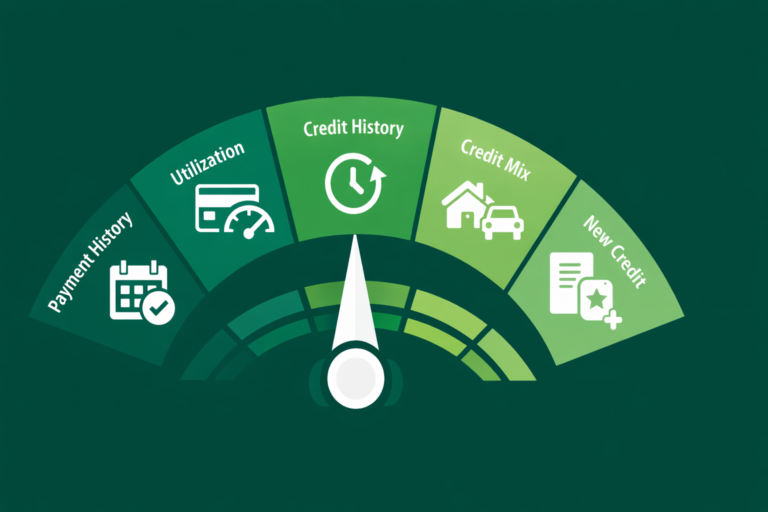
**Maxing out your card.** Credit utilization — how much of your available credit you’re using — makes up 30% of your FICO score. Experts recommend keeping this below 30%, and ideally under 10% if you want to maximize your score.
**Applying for multiple cards at once.** Every time you apply for new credit, a hard inquiry hits your report. Multiple hard inquiries in a short period signals risk to lenders. Start with one card, use it well, and expand later.
**Treating your credit limit as spending money.** Your credit limit is not income. Just because you can charge $1,000 doesn’t mean you should. Only put on your card what you can pay off when the statement closes.
**Missing payment due dates.** A single missed payment can drop your score by 50–100 points and stay on your credit report for seven years. Set up autopay for at least the minimum payment, even if you plan to pay more.
How to Use Your First Card to Build Credit Quickly
Here’s a simple system that works, even if you’re completely new to this:
**Use your card for one recurring expense.** Pick something small — a streaming subscription, your phone bill, a regular grocery run. This creates automatic usage without tempting overspending.
**Pay the full balance every month.** Set a calendar reminder or automatic payment for the full statement balance before the due date. No balance means no interest.
**Check your statement monthly.** This takes five minutes and helps you spot errors, fraudulent charges, or spending patterns you want to change.
**Let time do its work.** The length of your credit history is a factor in your score. Don’t close your first card even after you upgrade to a better one — keeping older accounts open (with no annual fee) preserves your credit age.
**Request a credit limit increase after six months.** More available credit with the same spending lowers your utilization rate. Many issuers do this automatically, but it doesn’t hurt to ask.
When You’re Ready to Upgrade
Your first card is a stepping stone, not a permanent fixture. Once you’ve had it for 12–18 months and your score has climbed into the 670–700+ range, you’ll start qualifying for better options — cards with higher limits, better rewards, and lower interest rates.
At that point, you can look into travel rewards cards, cash back cards with rotating categories, or even cards with premium perks like lounge access and trip protection. But none of those doors open without the credit history you’re building right now.
The best credit cards for beginners aren’t flashy. They’re functional, forgiving, and designed to reward exactly the behavior you’re trying to build: consistent, on-time payments with low balances.
Conclusion: Your Next Step Starts Today
You don’t need to have it all figured out to get started with credit. You just need one good card, one solid habit, and the patience to let it work.
Start by checking your credit score for free on Credit Karma to see where you stand. Then use that information to apply for a secured, student, or starter unsecured card that matches your current profile. Put one small recurring expense on it, pay it off every month, and check in on your progress.
Six months from now, you’ll have a credit history. A year from now, you’ll have options. That’s how it works — one responsible decision at a time.
—
Frequently Asked Questions
**What is the easiest credit card to get approved for as a beginner?**
Secured credit cards are generally the easiest to get approved for because your cash deposit reduces the lender’s risk. Cards like the Discover it® Secured or Capital One Platinum Secured are commonly recommended as entry-level options with beginner-friendly features.
**Should I get a credit card if I have no credit history?**
Yes — in fact, getting a credit card is one of the best ways to start building a credit history. Without any credit, it’s hard to qualify for loans, apartments, or even some jobs. A secured card or student card lets you start that history safely.
**How long does it take to build credit with a beginner credit card?**
You can build a basic credit score within 3–6 months of responsible card use. Reaching a “good” score (670+) typically takes 12–24 months of consistent on-time payments and low credit utilization.
**Will applying for my first credit card hurt my credit score?**
Yes, slightly. A hard inquiry from a new credit application typically drops your score by 5–10 points temporarily. This impact fades within a few months, and the positive effects of building credit history quickly outweigh the initial dip.
**How many credit cards should a beginner have?**
Start with just one. A single card used responsibly teaches you the habits you need without the complexity of managing multiple accounts. Once you’ve built a solid credit foundation — usually after 12–18 months — you can consider adding a second card for different rewards or spending categories.