How to Build Credit From Scratch: The Beginner’s Complete Guide
How to Build Credit From Scratch: The Beginner’s Complete Guide
No credit history? No problem. Learn exactly how to build credit from scratch with simple steps, smart tools, and real strategies that work fast.
—
# How to Build Credit From Scratch: The Beginner’s Complete Guide
Your credit score can determine whether you get approved for an apartment, a car loan, or even a job — and if you have no credit history, that blank slate can feel like a trap. The good news? Building credit from scratch is completely doable, and you don’t need to be a finance expert to make it happen.
Whether you just turned 22, recently moved to the U.S., or simply never got around to opening a credit account, this guide will walk you through every step of how to start building credit the right way — without the confusing jargon or the rookie mistakes.
—
## Why Your Credit Score Matters More Than You Think
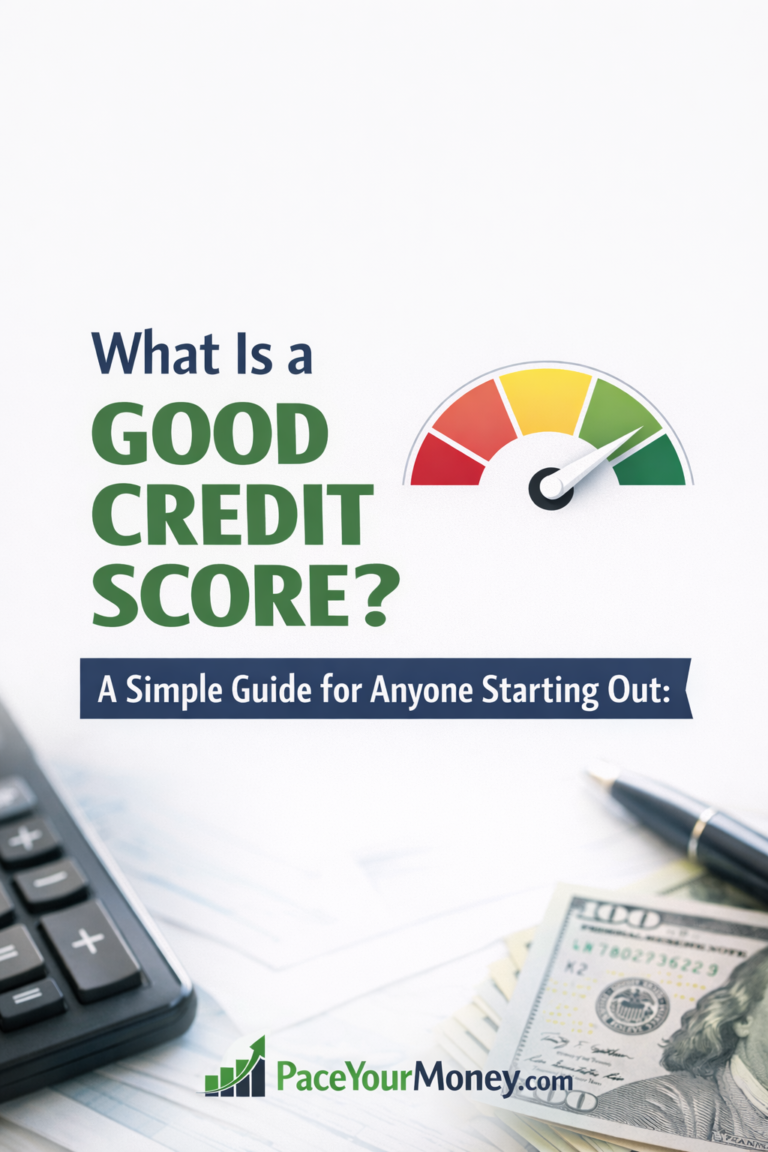
Before diving into tactics, it helps to understand what’s actually at stake. Your credit score is a three-digit number — typically between 300 and 850 — that tells lenders how risky it is to loan you money. The higher the number, the more financial doors open for you.
A strong credit score unlocks lower interest rates on car loans and mortgages, better credit card rewards, easier apartment approvals, and in some cases, even better insurance premiums. On the flip side, having no credit history at all (sometimes called being “credit invisible”) can make everyday financial milestones surprisingly difficult.
The most widely used scoring model is the FICO score, and it’s calculated based on five factors: payment history (35%), amounts owed (30%), length of credit history (15%), credit mix (10%), and new credit (10%). Understanding these weights is key — because they tell you exactly where to focus your energy.
—
## Step 1: Check Where You’re Starting From
Before you can build credit, you need to know what you’re working with. Head to AnnualCreditReport.com, the only federally authorized site for free credit reports, and pull your reports from all three bureaus: Equifax, Experian, and TransUnion.
If you’ve never had a credit account, your reports will likely come back empty — which is normal and nothing to panic about. If there’s anything already on your report (perhaps a student loan or a collection account you forgot about), now is the time to review it for accuracy.
For ongoing monitoring, Credit Karma is one of the best free tools available for beginners. It gives you free access to your TransUnion and Equifax scores, shows you what’s helping or hurting your score, and even offers personalized recommendations for credit cards and loans based on your profile. It’s genuinely useful for tracking your progress as you start building — and it costs you nothing.
—
## Step 2: Get Your First Credit Card (The Smart Way)
One of the fastest ways to start building credit is to open a credit card and use it responsibly. But not just any card — you need one designed for people with no credit history.
Here are your three best options as a beginner:
**Secured credit cards** are the most accessible option when you have no credit score. You put down a cash deposit (usually $200–$500) that becomes your credit limit. The card works just like a regular credit card, your activity gets reported to the credit bureaus, and over time you build a solid credit history. Popular picks include the Discover it® Secured Card and the Capital One Platinum Secured Card.
**Student credit cards** are designed specifically for college students with little to no credit history. They typically have low credit limits and no annual fees. If you’re a student, the Discover it® Student Cash Back or the Chase Freedom® Student card are worth checking out.
**Becoming an authorized user** on a parent’s or trusted family member’s credit card is another powerful first move. If the primary cardholder has a long, positive history with that card, that history can show up on your credit report too — instantly giving you a head start without you needing to apply for anything yourself.
Whichever route you choose, the golden rule is the same: charge only what you can afford to pay off in full every month.
—
## Step 3: Build the Habit That Matters Most — Paying On Time
Here’s the single most important thing you can do to build credit fast: pay your bills on time, every time.
Payment history makes up 35% of your FICO score — the biggest single factor. One missed payment can drop your score significantly and stay on your credit report for up to seven years. That’s not meant to scare you; it’s meant to motivate you to set up systems that make on-time payment automatic.
The simplest system? Set up autopay for at least the minimum payment on every credit account you have. Then, once a week or once a month, log in manually and pay the full balance. This way you’re protected from accidentally missing a due date while still paying off your balance in full.
Also worth noting: utilities, phone bills, and rent payments don’t automatically show up on your credit report — but some services like Experian Boost and rental reporting services like Rental Kharma can help you get credit for those on-time payments. For a beginner trying to build credit fast, these tools are worth exploring.
—
## Step 4: Keep Your Credit Utilization Low
The second biggest factor in your credit score is amounts owed — specifically, your credit utilization ratio. This is the percentage of your available credit that you’re currently using.
For example, if you have a credit card with a $500 limit and you carry a $250 balance, your utilization rate is 50%. Credit experts generally recommend keeping this below 30% — and ideally below 10% if you want to maximize your score.
As a beginner with a low credit limit, this can feel tricky. If your secured card only has a $200 limit, even a $70 charge puts you at 35% utilization. The workarounds? Either request a credit limit increase after six to twelve months of good payment history, or pay down your balance multiple times per month so it stays low when the bureau records it.
This single habit — keeping utilization low — is one of the most underrated ways to build credit quickly because it directly influences 30% of your overall score.
—
## Step 5: Diversify With a Credit-Builder Loan
Once you’ve had a credit card for six months to a year, consider adding a credit-builder loan to your mix. This type of loan is specifically designed to help people build credit from scratch, and many credit unions and online banks offer them.
Here’s how it works: the lender holds the loan amount in a locked savings account while you make monthly payments. Once you’ve paid off the full amount, you receive the money. It’s essentially a forced savings plan that also builds your credit — and since it adds a different type of credit account (an installment loan) to your report, it improves your credit mix, which accounts for 10% of your FICO score.
Self (formerly Self Lender) is a popular platform for credit-builder loans and is worth checking out if you want to add this layer to your credit-building strategy without needing a traditional bank account.
—
## Step 6: Be Patient and Protect What You Build
Building credit from scratch doesn’t happen overnight — but it moves faster than most people expect. Many people see a credit score appear within three to six months of opening their first account, and with consistent good habits, it’s realistic to reach the “good” range (670+) within twelve to eighteen months.
A few things to avoid while you’re building:
**Don’t apply for too many credit accounts at once.** Each application triggers a hard inquiry on your report, which can temporarily lower your score by a few points. Space out applications by at least six months.
**Don’t close your first credit card.** The length of your credit history matters — the longer, the better. Even if you upgrade to a better card later, keep your original account open (and occasionally use it) to preserve that history.
**Don’t ignore your credit report.** Check it at least once a year for errors. Mistakes happen more often than you’d think, and a fraudulent account or incorrect late payment can silently drag your score down. Dispute any errors directly with the credit bureaus — it’s free and you have the legal right to do it.
—
## Conclusion: Your Credit Journey Starts With One Step Today
Building credit from scratch can feel overwhelming when you don’t know where to start — but now you do. The path is simpler than most people realize: get a beginner-friendly credit card, pay it off in full every month, keep your utilization low, and let time and consistency do the heavy lifting.
Your next step right now? Sign up for Credit Karma so you have a free baseline of your current score and can track every change as you build. It takes five minutes, and seeing that number move in the right direction is surprisingly motivating.
You don’t need to be perfect. You just need to start.
—
## Frequently Asked Questions
**How long does it take to build credit from scratch?**
Most people will see a credit score appear within three to six months of opening their first credit account. Reaching a “good” score of 670 or higher typically takes twelve to eighteen months of consistent, responsible credit use.
**What’s the easiest way to start building credit with no history?**
The easiest entry point is a secured credit card. You put down a small deposit, use the card for everyday purchases, and pay it off in full each month. Your activity gets reported to the credit bureaus, and your score starts to build automatically.
**Can I build credit without a credit card?**
Yes. Credit-builder loans, becoming an authorized user on someone else’s account, and using services like Experian Boost to report utility and phone payments are all ways to build credit without applying for a traditional credit card.
**What credit score do I start with?**
You don’t start with a zero — you simply start with no score at all. Once you have enough credit history (typically one account that’s been open and active for at least six months), the bureaus generate your first score.
**Does checking my credit score hurt it?**
No. Checking your own credit score is called a “soft inquiry” and has zero impact on your score. Only “hard inquiries” — which happen when a lender checks your credit after you apply for new credit — can temporarily lower your score by a small amount.