How to Save Money Fast: 10 Practical Strategies That Actually Work in 2026
You don’t need a six-figure salary or a finance degree to start saving money — you just need the right moves and the motivation to make them. If you’ve been watching your bank account hover near zero and wondering how to actually get ahead, this guide breaks down exactly how to save money fast in 2026.
Whether you’re trying to build an emergency fund, escape paycheck-to-paycheck living, or save up for something big, these strategies are designed for real people with real budgets. Let’s get into it.
Why Saving Money Feels Hard Right Now
Before diving into the tactics, it’s worth acknowledging the environment you’re saving in. In 2026, the cost of living is still elevated in most U.S. cities, rent is a massive budget drain for most people under 35, and inflation has reshaped what “normal” spending looks like. It’s not your imagination — saving genuinely is harder than it was for previous generations.
But harder doesn’t mean impossible. The key is to stop trying to out-earn your way to savings and instead start engineering your finances so saving happens automatically. That mindset shift changes everything.
Start With a Brutally Honest Budget Audit
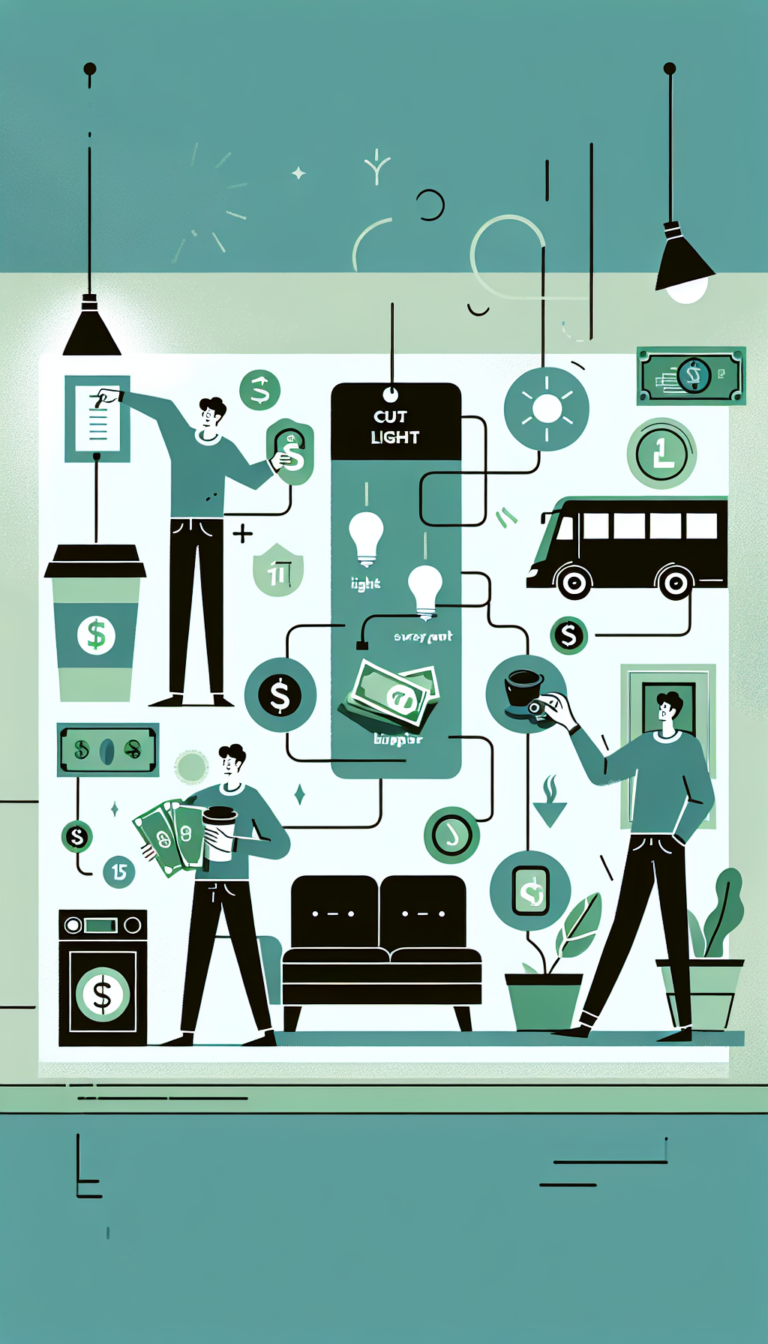
You can’t save money fast if you don’t know where your money is actually going. Most people have a general sense of their spending, but a detailed audit almost always reveals surprises — subscriptions you forgot about, takeout spending that’s quietly out of control, or app purchases that add up fast.
Spend 20 minutes doing a full spending review for the last 30 days. Go line by line through your bank and credit card statements and put every transaction into a category: housing, food, transportation, entertainment, subscriptions, personal care, and miscellaneous.
Once you can see your money laid out clearly, two or three obvious cuts will jump out at you. This is where fast savings begin — not with complicated investment strategies, but with plugging the leaks in your current budget.
A free tool like Credit Karma can help you track your spending, monitor your credit score, and get a clearer picture of your overall financial health all in one place. It’s a smart first stop if you want to understand your money without paying for an app.
Cut the Low-Value Subscriptions Immediately
This one sounds small, but it adds up faster than most people expect. The average American in their 20s and 30s has somewhere between 8 and 12 active subscriptions at any given time. Some are worth it. Most are not.
Go through your bank statements and flag every recurring charge. For each one, ask yourself: Did I use this in the last 30 days? Would I notice if it disappeared? If the answer is no, cancel it today.
Common culprits include streaming services you’ve forgotten to share or cancel, gym memberships used once in January, premium app subscriptions, and cloud storage tiers you don’t actually need. Cutting just $80 to $100 in monthly subscriptions frees up close to $1,000 per year — real money you can redirect to savings immediately.
Use the 48-Hour Rule for Non-Essential Purchases
Impulse spending is one of the biggest enemies of fast savings. In 2026, with one-click buying, same-day delivery, and targeted ads following you everywhere, the friction around spending has almost completely disappeared. You need to create your own friction.
The 48-hour rule is simple: any non-essential purchase over $30 has to wait 48 hours before you buy it. Put it in your cart, screenshot it, or write it down — and then wait. More often than not, the urge passes and you don’t buy it at all.
This rule works because most impulse purchases are driven by momentary emotion, not genuine need. Giving yourself a cooling-off period interrupts that cycle and keeps more money in your account without requiring any real sacrifice.
Automate Your Savings So You Never See the Money
One of the fastest and most effective ways to save money is to make saving the default rather than something you do with whatever’s left over. If you wait until the end of the month to save, there usually won’t be anything left to save.
Set up an automatic transfer to a dedicated savings account the day after your paycheck lands. Even if it’s $25 or $50 to start, the habit matters more than the amount right now. Over time, you increase the amount as your budget adjusts.
The psychology behind this works because you adapt your spending to whatever hits your checking account. If $200 moves to savings before you see it, you’ll figure out how to live on the rest. If you keep the $200 in checking, you’ll spend it.
Look for a high-yield savings account to house this money. In 2026, many online banks are still offering competitive interest rates, which means your savings will grow slightly faster just by sitting in the right account.
Tackle the Big Three Expenses for Maximum Impact
Personal finance advice loves to focus on small cuts — skip the latte, pack your lunch. And while those things help at the margins, the fastest path to serious savings is tackling your three biggest expenses: housing, transportation, and food.
Housing: If you’re renting, consider whether you can get a roommate, negotiate your renewal rate, or move to a slightly more affordable area when your lease is up. Reducing your rent by even $200 a month is $2,400 per year — far more impactful than canceling Netflix.
Transportation: If you have a car payment, this is likely one of your top three expenses. Explore whether you can refinance to a lower rate, carpool, or rely more heavily on public transit for short trips. If you’re not locked into a car yet, delaying that purchase and using other options buys you significant savings runway.
Food: This one sits in a unique position because it’s both a necessity and a massive area of overspending. The average person in their 20s and 30s spends significantly on delivery apps, restaurant meals, and convenience food. Cooking at home more consistently — even just 3 or 4 extra meals a week — can cut food spending by 30 to 40 percent. Meal prepping on Sundays makes this sustainable without turning it into a daily chore.
Set a Specific Savings Goal With a Deadline
Vague goals like “I want to save more money” almost never produce results. Specific goals with deadlines do. The difference between “I want to save money” and “I want to save $1,500 by August 1st, 2026 for an emergency fund” is the difference between hoping and planning.
When you have a target number and a timeline, you can reverse-engineer exactly how much you need to save per week or per month to hit it. That math makes the goal feel real and achievable rather than abstract.
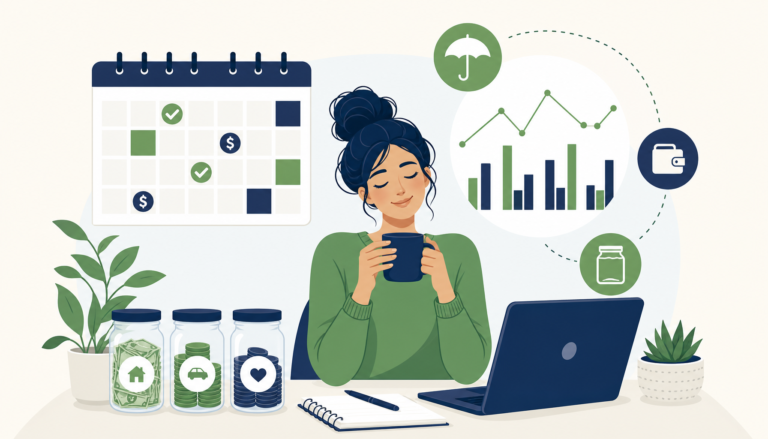
Write your goal down, put it somewhere visible — your phone lock screen, a sticky note on your laptop — and track your progress weekly. Progress tracking is a powerful motivator. Watching that savings number grow gives you a feedback loop that keeps you going when motivation dips.
Start with a goal you can realistically hit in 60 to 90 days. Winning a small financial goal builds the confidence and momentum to tackle bigger ones.
Find Quick Ways to Boost Your Income
Saving faster isn’t only about spending less — sometimes the math just doesn’t work on your current income and the fastest path forward is adding revenue. In 2026, there are more accessible income options than ever for people willing to put in a few extra hours.
Some options worth exploring include selling items you no longer use on platforms like Facebook Marketplace or eBay, doing freelance work in your skill area on platforms like Fiverr or Upwork, picking up delivery or rideshare shifts on weekends, or offering local services like pet sitting, tutoring, or lawn care through apps or word of mouth.
Even an extra $200 to $300 per month applied entirely to savings can dramatically accelerate your timeline. The key is treating this extra income as untouchable — it goes straight to savings before lifestyle creep has a chance to absorb it.
Build Momentum With Small Wins First
One of the biggest reasons people give up on saving is that the goal feels too far away. If you need $10,000 and you currently have $200, it’s easy to feel defeated before you start. The solution is to engineer early wins that prove to yourself that the process is working.
Celebrate hitting your first $500. Acknowledge when your emergency fund reaches $1,000. Let yourself feel good about the small milestones, because that emotional reinforcement is what keeps you going for the longer haul.
Saving money fast isn’t always about dramatic, painful cuts. It’s about building a system that works consistently and compounds over time. The habits you build in the next 90 days will shape your finances for years.
Conclusion
Knowing how to save money fast in 2026 comes down to a few fundamentals: understanding where your money is going, eliminating what isn’t adding value, automating the saving process, and staying focused on a clear goal. You don’t need to be perfect — you just need to start.
Your next step is simple: open your bank statements right now and do a 20-minute spending audit. Find one or two cuts you can make today and set up even a small automatic transfer to savings. That single action puts you ahead of most people your age and gets the momentum going in the right direction.
Frequently Asked Questions
How much should I try to save per month if I’m just starting out?
There’s no universal number, but a common starting point is to aim for saving 10 to 20 percent of your take-home income. If that feels impossible right now, start with whatever you can — even $25 or $50 per paycheck. The habit matters more than the amount at the beginning, and you can increase it gradually as you optimize your budget.
What’s the fastest way to save $1,000?
The fastest way to save $1,000 is to combine spending cuts with a temporary income boost. Cancel unused subscriptions, pause non-essential spending, and pick up a few extra shifts or sell items you don’t use. For most people, hitting $1,000 within 30 to 60 days is realistic with focused effort.
Should I save money or pay off debt first?
The answer depends on your interest rates. High-interest debt — like credit cards charging 20 percent or more — should generally be prioritized because it grows faster than your savings can. However, it’s still smart to save a small emergency fund of $500 to $1,000 first so you don’t have to reach for the credit card every time an unexpected expense comes up.
How do I stop spending money on things I don’t need?
The most effective strategies are the 48-hour rule for impulse purchases, unfollowing brands and stores on social media to reduce temptation, removing saved payment info from shopping sites to add friction, and having a clear savings goal that reminds you what you’re working toward. Behavior change is easier when you make the undesirable action harder and the desired action easier.
Is a high-yield savings account worth it in 2026?
Yes, especially compared to a traditional savings account that earns close to nothing. A high-yield savings account lets your money grow while it sits, which means you’re being rewarded for doing the right thing. Look for online banks offering competitive APYs with no monthly fees to maximize what you earn on your savings.