How to Close a Credit Card Safely Without Hurting Your Credit Score
Closing a credit card sounds simple — just call the bank and cancel, right? Unfortunately, doing it the wrong way can quietly ding your credit score in ways that take months to recover from. If you’re thinking about cutting ties with a card you no longer use, this guide will walk you through exactly how to close a credit card safely so you come out the other side with your financial health intact.
Why Closing a Credit Card Can Hurt Your Credit Score
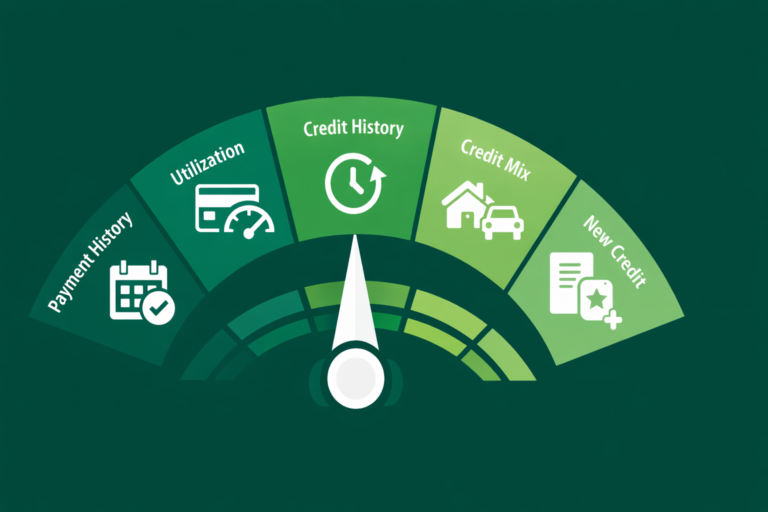
Before you grab the scissors, it helps to understand what’s actually happening under the hood when you close a card. Your credit score is calculated using several factors, and closing a card can negatively impact two of the biggest ones.
First, there’s your credit utilization ratio — the percentage of your total available credit that you’re currently using. When you close a card, you lose that card’s credit limit from your total available credit. If you’re carrying balances on other cards, your utilization ratio automatically jumps, and that can lower your score fast.
Second, closing a card — especially an older one — can affect your average age of credit accounts. Lenders like to see a long credit history, and removing an old account from the active mix can shorten it over time.
That said, keeping a card open isn’t always the right move either. There are totally valid reasons to close a card, and in 2026, knowing how to do it strategically matters more than ever.
Good Reasons to Close a Credit Card (and When to Think Twice)
Not every card deserves a permanent spot in your wallet. Here are some legitimate reasons to move forward with closing one:
- High annual fees you’re no longer getting value from
- Temptation to overspend on a card that keeps getting you into debt
- Duplicate rewards programs that make more sense to consolidate
- A card from an old retail relationship you never use
On the flip side, you might want to pause if the card is your oldest account, if it has a high credit limit that’s keeping your utilization low, or if you’re planning to apply for a major loan — like a car or mortgage — within the next six to twelve months. Timing matters. Closing a card right before a big financial move could cost you points you can’t afford to lose.
Step 1: Pay Off Your Balance in Full
This one isn’t optional. Before you close any credit card, your balance needs to be zero. Even a small remaining balance can cause issues after the account is closed, and some issuers may continue charging interest on lingering balances that show up after your final statement.
Check your account for any:
- Pending transactions that haven’t posted yet
- Automatic payments or subscriptions linked to the card
- Recurring charges you might have forgotten about
Move any recurring charges to a different card before you initiate the closure. The last thing you want is to cancel a card and then have your Netflix or gym membership go to a dead account, triggering a missed payment.
Step 2: Redeem Any Remaining Rewards
This step gets skipped constantly, and it’s a frustrating (and completely avoidable) mistake. Most credit card rewards — whether they’re cash back, points, or miles — disappear the moment you close the account. They don’t transfer, they don’t carry over, and the issuer has no obligation to save them for you.
Before you make any cancellation calls, log into your account and check your rewards balance. Redeem what you can. Options typically include:
- Statement credits
- Direct deposits to a bank account
- Gift cards
- Travel bookings through the card’s portal
Even if it’s just $12 in cash back, that’s money that belongs to you. Don’t leave it on the table.
Step 3: Call the Issuer and Request Cancellation
Once your balance is zero and your rewards are redeemed, it’s time to make the call. Don’t just close the account through the app or online portal if you can avoid it — calling gives you a paper trail and lets you confirm the closure directly with a representative.
When you call, be straightforward: tell them you’d like to close the account. Expect a retention pitch. The representative may offer you a fee waiver, a lower APR, or bonus points to keep you on board. If those offers genuinely benefit you, it’s fine to accept. But if you’ve made up your mind, stay firm and politely decline.
Ask the representative to:
- Confirm the account will be closed with a zero balance
- Note that the closure was requested by the cardholder (not the issuer)
- Send you written confirmation of the closure
That last point is important. In 2026, you can typically ask for confirmation via email, which creates a record you can reference if anything goes sideways later.
Step 4: Follow Up in Writing
After your call, send a brief written request to the issuer confirming your closure request. You can do this by email or through their secure message portal. Keep it simple:
“I am writing to confirm my request to close account ending in [XXXX], as discussed on [date]. Please confirm the account has been closed with a zero balance at my request.”
This step protects you. If a dispute ever comes up — say, the account shows as still open on your credit report, or there’s an unexpected charge — you have documentation of exactly when and how you requested the closure.
Step 5: Check Your Credit Report
About 30 to 60 days after closing the account, pull your credit report and verify that the card appears as “closed by consumer.” If it shows “closed by issuer” instead, that can look worse to future lenders, so it’s worth disputing if the status is incorrect.
In 2026, you’re entitled to free weekly credit reports from all three major bureaus — Experian, Equifax, and TransUnion — through AnnualCreditReport.com. Take advantage of that.
This is also a great time to use Credit Karma, which gives you free access to your TransUnion and Equifax credit scores along with a breakdown of the factors affecting your score. It’s especially useful in the weeks after closing a card because you can track any changes to your credit utilization and account history in real time. If you’re not already using it, Credit Karma is one of the easiest ways to stay on top of your credit health without paying for it.
What Happens to Your Credit Score After Closing a Card
Here’s the honest truth: your score might dip after closing a card, and that’s okay if you’ve gone in with a plan.
The impact depends on:
- How much of your total credit limit the card represented — losing a card with a high limit will raise your utilization ratio more than a card with a small one
- How old the account is — closed accounts remain on your credit report for up to 10 years, so an old account won’t immediately drop off your history
- Your current credit mix — if this was your only revolving credit account, the impact could be more significant
For most people, a small temporary dip of a few points is manageable, especially if you’re not planning any major credit applications in the near future. If your score is already strong — say, 750 or above — you have more of a cushion to absorb the change.
Building Healthy Credit Habits Going Forward
Closing a card is just one piece of the bigger credit puzzle. Once you’ve handled it cleanly, it’s worth taking a moment to reassess your overall credit strategy.
A few habits that help in 2026:
- Keep your credit utilization below 30% across all cards — ideally under 10% for the best score impact
- Pay on time, every time — payment history is the single biggest factor in your credit score
- Don’t apply for multiple new cards in a short window — each hard inquiry can lower your score slightly
- Review your credit report at least once a quarter to catch errors or fraud early
If you’re in the phase of figuring out how credit cards actually work, closing one responsibly is genuinely good practice. It forces you to slow down, understand the mechanics, and make an intentional decision rather than just letting old accounts drift.
Conclusion
Closing a credit card safely in 2026 isn’t complicated, but it does require a few deliberate steps: pay off the balance, redeem your rewards, call to cancel, follow up in writing, and check your credit report afterward. Do those things in order and you’re set.
The next step? Pull up your credit report right now — either through AnnualCreditReport.com or Credit Karma — and get a clear picture of where you stand before you make any changes. Knowing your current score and utilization ratio will help you decide whether closing a card makes sense for your specific situation, and when the right time to do it actually is.
Frequently Asked Questions
Does closing a credit card hurt your credit score?
It can, yes — but not always dramatically. Closing a card reduces your total available credit, which can raise your credit utilization ratio and potentially lower your score. The impact depends on your overall credit profile and how significant the card’s limit was relative to your total credit.
How long does a closed credit card stay on your credit report?
A closed credit card account in good standing typically stays on your credit report for up to 10 years. This means the positive history from that account continues to benefit you for a long time, even after the card is closed.
Should I close a credit card I never use?
Not necessarily. If the card has no annual fee, keeping it open can actually help your credit utilization ratio and average account age. However, if the card charges an annual fee you’re not getting value from, or if it’s causing you to overspend, closing it may be the smarter move.
What should I do with rewards before closing a credit card?
Redeem all of your rewards before initiating the closure. Most points, miles, and cash back balances are forfeited when an account is closed, and issuers are not required to restore them afterward.
Is it better to close a credit card online or over the phone?
Calling is generally the better option. It allows you to confirm the closure directly, note that it was requested by you as the cardholder, and get verbal confirmation — plus it gives you the chance to follow up in writing through the same interaction.