Debt Snowball vs Debt Avalanche: Which Payoff Method Wins in 2026?
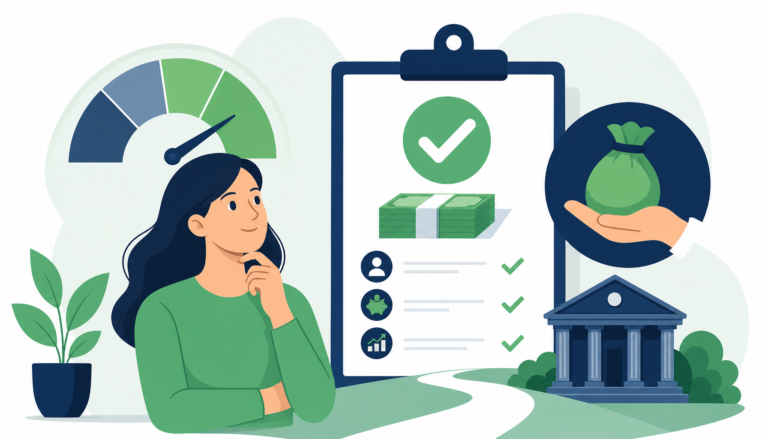
You have debt, you want it gone, and someone just told you there are two different strategies to do it — now you’re more confused than before. That’s exactly what we’re here to fix, because choosing between the debt snowball vs debt avalanche method could save you hundreds of dollars and months of stress.
Both methods are legitimate, proven debt payoff strategies used by millions of people. The difference comes down to psychology versus math, and understanding that distinction will help you figure out which one actually fits your life right now.
What Is the Debt Snowball Method?
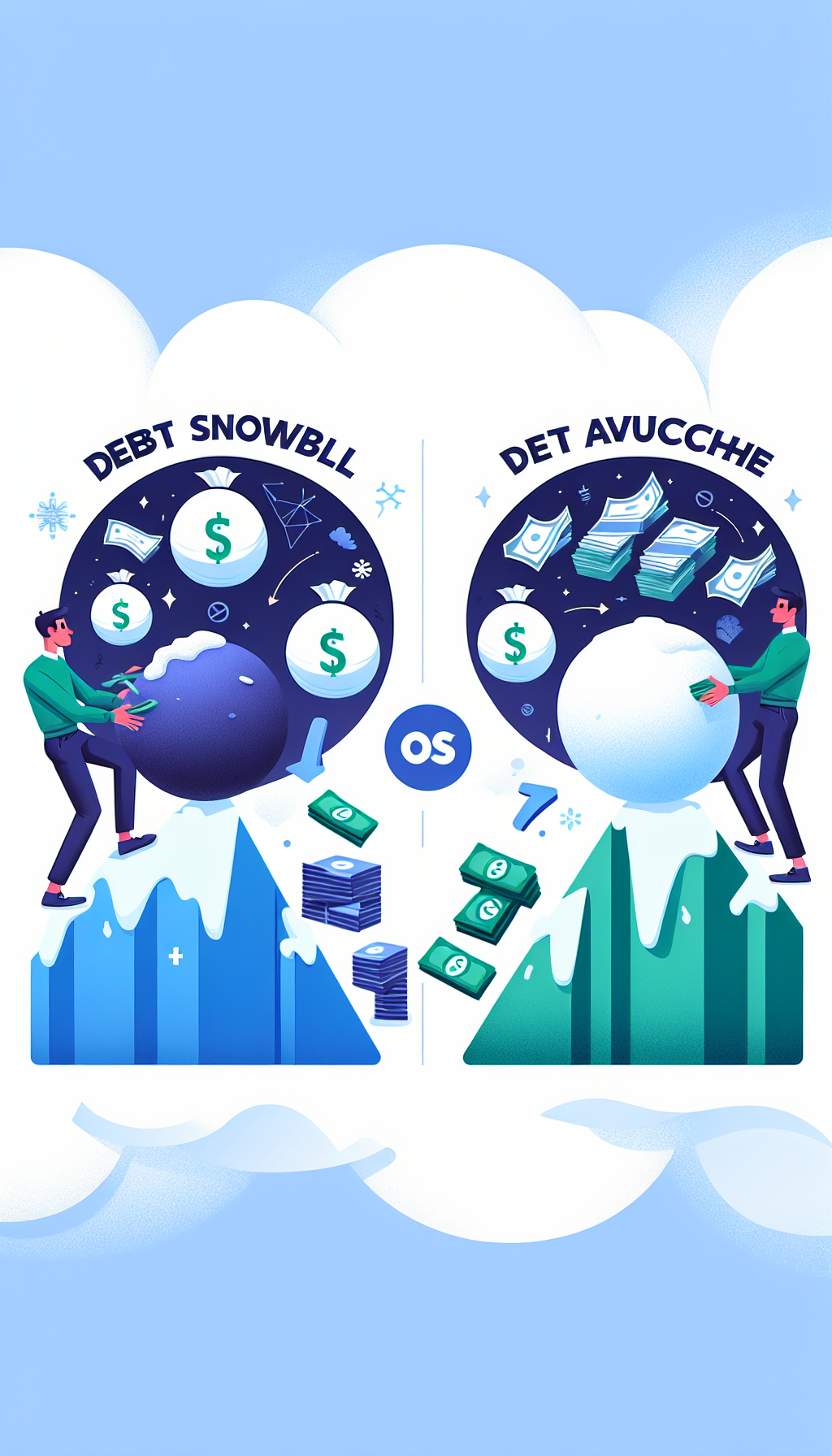
The debt snowball method is a debt payoff strategy where you focus on paying off your smallest debt balance first, regardless of the interest rate attached to it. Here’s how it works in practice:
You list all of your debts from the smallest balance to the largest. You make minimum payments on everything except the smallest one, and you throw every extra dollar you have at that one. Once it’s paid off, you roll that payment into the next smallest debt, creating a growing “snowball” of money attacking your balances one by one.
Example: Say you have three debts — a $400 medical bill, a $1,200 credit card, and a $5,000 personal loan. You’d start by wiping out the $400 medical bill as fast as possible, then move to the $1,200 credit card, then finally the $5,000 loan.
The biggest benefit here is momentum. There’s something genuinely powerful about seeing a debt disappear completely, even if it’s a small one. That win motivates you to keep going, which is why this method is often recommended for people who’ve struggled with consistency in the past.
What Is the Debt Avalanche Method?
The debt avalanche method flips the script. Instead of targeting the smallest balance, you focus on the debt with the highest interest rate first, no matter how large or small the balance is.
The logic is purely mathematical. High-interest debt costs you more money every single month it exists. By eliminating it first, you reduce the total amount of interest you’ll pay over the entire course of your debt payoff journey.
Example: Using the same three debts — if your $1,200 credit card carries a 24% APR, your $5,000 personal loan is at 14%, and your $400 medical bill has 0% interest, the avalanche method would start with the credit card, then the personal loan, and finally the medical bill.
In 2026, with average credit card APRs still hovering near historic highs, the avalanche method can produce serious savings. We’re talking about potentially hundreds of dollars staying in your pocket rather than going to your lender.
Debt Snowball vs Debt Avalanche: The Core Differences
Here’s a clean breakdown of what sets these two strategies apart:
Speed of wins: The snowball gives you faster psychological victories. The avalanche may take longer to see a full debt disappear, especially if your highest-interest debt also has a large balance.
Total interest paid: The avalanche almost always wins here. Because you’re cutting off the most expensive debt first, the math favors this method for long-term savings.
Motivation and consistency: The snowball is designed around human behavior. Research in behavioral finance consistently shows that small, frequent wins keep people engaged with their goals longer. If motivation is your Achilles heel, the snowball has an edge.
Flexibility: Both methods work with any type of debt — credit cards, student loans, personal loans, car payments, and even medical bills. Neither requires you to open new accounts or transfer balances, though doing so strategically can sometimes help.
The honest truth? The best debt payoff strategy is the one you’ll actually stick to. A technically perfect plan that you abandon after two months is far worse than a slightly less optimal plan you follow for two years.
Which Method Saves More Money?
Let’s get specific. The debt avalanche method will almost always result in paying less total interest over time. The exact difference depends on your specific balances and interest rates, but the gap can be significant.
Consider someone with $15,000 in total debt spread across three credit cards with interest rates of 22%, 18%, and 12%. Using the avalanche method and paying an extra $300 per month could save that person $800–$1,500 in interest compared to the snowball method, depending on their balances and timeline.
That said, the snowball method closes the gap significantly when debts are close in size. If your balances are all relatively similar, the psychological benefit of the snowball might be worth the modest extra interest you’d pay.
One important move that can supercharge either method: check your credit score and see if you qualify for a balance transfer card or a debt consolidation loan at a lower rate. A tool like Credit Karma makes this easy — it’s free to use, shows you your credit score, and lets you browse personalized loan and card offers without affecting your credit. Lowering your interest rate while applying either payoff strategy is one of the most effective financial moves you can make in 2026.
How to Choose the Right Method for You
Ask yourself these honest questions before picking a strategy:
Do you struggle with motivation? If you’ve started and stopped debt payoff plans before, the snowball’s quick wins might be exactly what you need to build lasting habits.
Are your interest rates wildly different? If one debt has a 25% APR and another has 5%, the math difference between strategies becomes significant. The avalanche makes more financial sense the wider that gap is.
Are your balances pretty close in size? If all your debts are in a similar range, the snowball barely costs you anything in extra interest and provides better motivation.
How long is your payoff timeline? The longer you carry high-interest debt, the more the avalanche saves you. If you expect to be paying down debt for two or more years, the interest savings of the avalanche method add up in a meaningful way.
There’s also a hybrid approach some people use: start with the snowball to build momentum and knock out one or two small debts, then switch to the avalanche method once you have some wins under your belt. This isn’t textbook, but personal finance is personal — use what works for your brain and your budget.
Common Mistakes to Avoid With Both Methods
No matter which strategy you pick, these mistakes will slow you down or derail your progress entirely.
Not tracking your progress. Both methods require you to know your exact balances, interest rates, and minimum payments. Keep a simple spreadsheet or use a free budgeting app so you always know where you stand.
Taking on new debt during payoff. This one sounds obvious, but it happens constantly. If you’re aggressively paying down a credit card and then put a new expense on it, you’re running in place. Pause unnecessary credit card use while you’re in payoff mode.
Only paying minimums on everything else. Both methods require minimum payments on all debts except your target. Missing a minimum payment triggers late fees and can hurt your credit score, which makes future borrowing more expensive.
Ignoring your emergency fund. Before you go all-in on debt payoff, make sure you have at least $500–$1,000 in an emergency fund. Without a cushion, one unexpected expense forces you back into debt immediately, undoing your progress.
Giving up during the messy middle. Debt payoff has a frustrating phase in the middle where you’re making progress but can’t see the finish line yet. Both methods hit this wall. Stay consistent, and revisit your list of paid-off debts for motivation.
Building a Realistic Debt Payoff Plan in 2026
Getting started is simpler than most people think. Here’s a step-by-step approach to launching either method:
Step 1: Write down every debt you have — the creditor, current balance, minimum payment, and interest rate. Don’t skip any of them.
Step 2: Choose your method — snowball (sorted by balance, smallest to largest) or avalanche (sorted by interest rate, highest to lowest).
Step 3: Find extra money to put toward your target debt. Even $50–$100 extra per month makes a real difference over time. Look at your subscriptions, dining habits, and any variable expenses you can trim temporarily.
Step 4: Automate your minimum payments on everything to avoid missed payments and late fees.
Step 5: Set a monthly check-in on your progress. Update your spreadsheet, celebrate small wins, and stay connected to your goal.
Step 6: As each debt is paid off, roll the entire payment into the next target. This is the compounding power that makes both methods so effective over time.
Starting in 2026 means you have time on your side if you’re in your 20s or early 30s. Every dollar of debt you eliminate now is a dollar that can start working for you in savings, investments, or building the life you actually want.
Conclusion
The debt snowball vs debt avalanche debate doesn’t have a single universal winner — it has the right answer for your specific situation. If you need motivation and momentum, start with the snowball. If you want to minimize the total interest you pay and can stay disciplined without quick wins, the avalanche is mathematically superior.
The only wrong move is staying paralyzed by the decision. Pick a method today, list your debts tonight, and make your first extra payment this month. That action matters far more than which strategy you choose.
Your next step: Pull up your accounts, write down every balance and interest rate, and decide which method fits your personality. If you’re not sure where your credit stands or want to explore lower interest options, check out Credit Karma for free — it takes five minutes and could show you ways to reduce what you’re paying in interest right now.
Frequently Asked Questions
Is the debt snowball or debt avalanche better for credit card debt?
Both work well for credit card debt. If you have multiple cards with similar balances, the snowball’s motivation factor is useful. If your cards have very different APRs — say 10% vs 25% — the avalanche will save you more money in interest. High APRs in 2026 make this choice especially impactful.
Can I switch methods halfway through?
Absolutely. There’s no rule that locks you into one approach. Many people start with the snowball to build confidence, then switch to the avalanche once they’ve paid off one or two smaller debts. Your debt payoff plan should serve you, not the other way around.
How long does debt payoff usually take with these methods?
It depends entirely on your total debt, income, and how much extra you can put toward payments each month. Someone with $10,000 in debt paying an extra $300 per month might be debt-free in 2–3 years. Use a free debt payoff calculator online to build a realistic timeline for your specific numbers.
Do these methods work for student loans?
Yes, both the snowball and avalanche methods can be applied to student loans alongside other debts. However, if your student loans are federal and you’re on an income-driven repayment plan or pursuing forgiveness, you’ll want to factor that into your strategy before aggressively overpaying on them.
What if I can only afford minimum payments right now?
Start where you are. Even making minimum payments consistently is better than missing payments. As your income grows or expenses decrease, apply any extra cash to your target debt. The key is building the habit and not taking on new debt while you work toward a point where you have more breathing room.