How to Budget for Irregular Income (Without Losing Your Mind in 2026)
If your paycheck looks different every single month, you already know that standard budgeting advice feels completely useless. The good news? Budgeting for irregular income is absolutely possible — you just need a different framework than the one designed for nine-to-five workers.
Whether you’re freelancing, driving for a rideshare app, doing seasonal work, or juggling multiple side hustles, unpredictable income doesn’t have to mean unpredictable finances. In 2026, more young adults than ever are earning outside of traditional employment, and the budgeting strategies that work for them are surprisingly straightforward once you understand the logic behind them.
Why Traditional Budgets Fail Freelancers and Gig Workers
Most budgeting advice starts with one assumption: you know exactly how much money is coming in each month. For anyone with variable income, that assumption blows up the entire system before you even get started.
The classic 50/30/20 budget, for example, tells you to allocate 50% of your income to needs, 30% to wants, and 20% to savings. That math is clean and simple when you earn $3,500 every two weeks like clockwork. But what happens when one month you bring in $2,100 and the next you earn $5,800? The percentages shift, your categories break down, and you end up feeling like you’re failing at something that was never designed for your situation in the first place.
The solution isn’t to try harder at a system that doesn’t fit. The solution is to build one from scratch around the reality of how your money actually flows.
Step One: Calculate Your Baseline Income
Before you can budget anything, you need a reliable number to work from. For people with irregular income, this number is your baseline — the lowest amount you can reasonably expect to earn in a slow month.
Here’s how to find it: Look at your income from the past 12 months. Write down what you earned each month. Then find your three lowest-earning months and average those together. That number becomes your budget floor — the amount you plan around, not your best month or even your average month.
This is a conservative approach by design. If you budget around your worst months, you’ll always have enough to cover essentials. If you have a strong month, the extra money goes somewhere intentional rather than just disappearing.
For example, if your three lowest months were $1,900, $2,100, and $2,000, your baseline income is roughly $2,000. That’s what you budget around. Everything above that is bonus money with a plan attached.
Step Two: Build a Bare-Bones Monthly Budget
Once you have your baseline number, it’s time to figure out your absolute must-pay expenses. These are the bills that don’t care how your month went — rent, utilities, groceries, insurance, minimum debt payments, and transportation costs.
List every single fixed or near-fixed expense and total them up. The goal here is to make sure your baseline income covers this list with a little room to breathe. If your bare-bones budget comes in at $1,800 and your baseline income is $2,000, you’re in a workable position. If your baseline is $2,000 but your essential expenses are $2,400, you have a gap that needs to be addressed — either by cutting expenses or finding ways to raise your income floor.
This bare-bones budget is your survival budget. It’s not your ideal budget. It’s the version that keeps the lights on and the fridge stocked even during your worst income months. Knowing this number is incredibly freeing because it tells you the minimum you need — and that clarity reduces financial anxiety significantly.
Step Three: Create an Income Buffer Account
This is the strategy that separates people who thrive on irregular income from those who constantly feel financially underwater. An income buffer account — sometimes called a holding account — acts as a middle layer between your income and your spending.
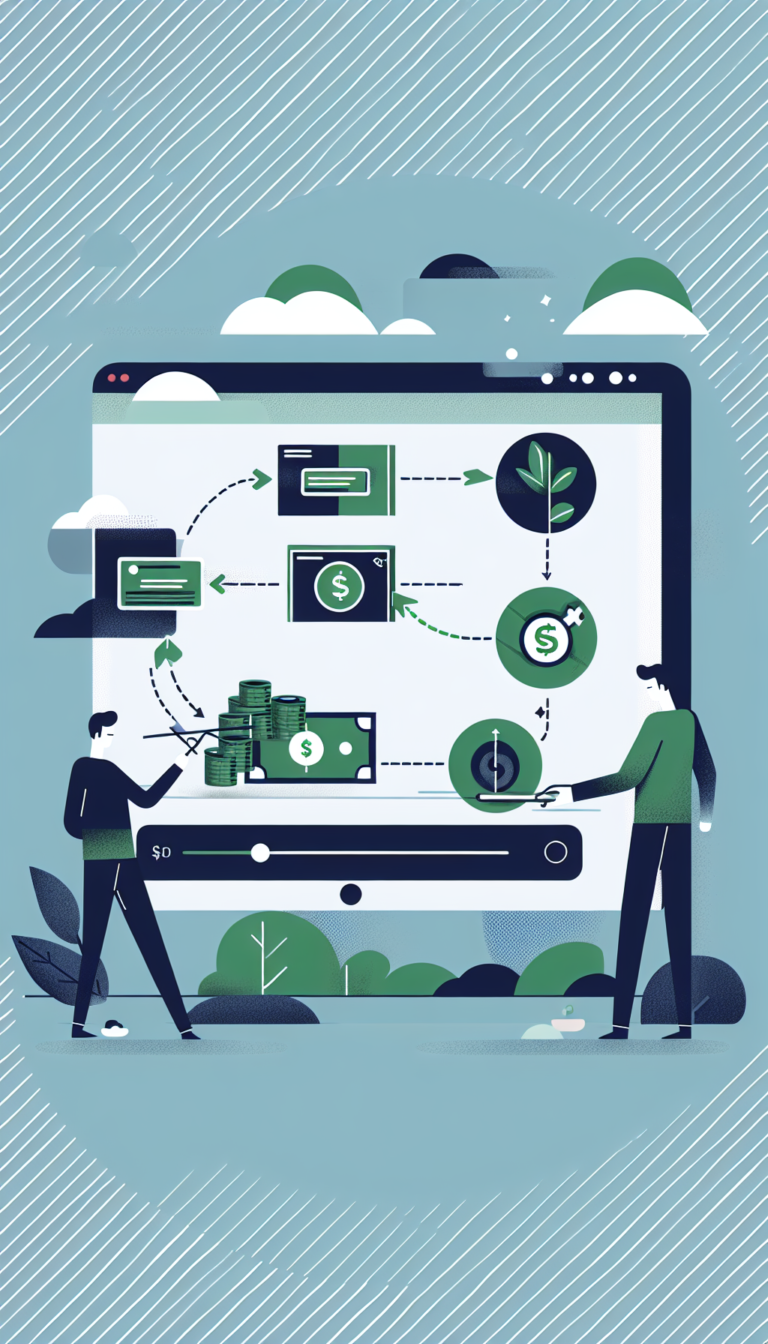
Here’s how it works: all of your income, whether it’s a $300 gig payment or a $3,000 freelance invoice, goes into this buffer account first. Then, on a set date each month (or every two weeks if you prefer), you transfer your baseline income amount into your main checking account. You pay your bills and live your life from that checking account.
In months when you earn more than your baseline, the extra stays in the buffer account. In slow months, the buffer covers the gap. Over time, this account smooths out the peaks and valleys of variable income and makes every month feel more predictable — because you’re essentially paying yourself a consistent “salary” from your own earnings.
Ideally, your buffer account should hold at least two to three months of baseline income before you start pulling from it regularly. This takes time to build, but once it exists, it fundamentally changes how irregular income feels to manage.
Step Four: Stack Your Savings Goals in the Right Order
When you have variable income, savings can feel like an afterthought — something you do if there’s money left over. But with the right system, savings becomes automated and intentional.
After your bare-bones expenses are covered, here’s the priority order that makes the most sense for most young adults with irregular income in 2026:
Emergency fund first. Your target is three to six months of bare-bones expenses sitting in a high-yield savings account. This is separate from your income buffer. The buffer keeps income flowing smoothly. The emergency fund is for actual emergencies — a car breakdown, a medical bill, losing a major client.
Tax savings second. If you’re self-employed or doing gig work, no one is withholding taxes for you. The IRS and your state still expect to be paid, often quarterly. Set aside 25–30% of every payment you receive into a dedicated tax savings account. This is non-negotiable. Tax debt is one of the fastest ways to fall behind financially as a freelancer.
Retirement contributions third. A Solo 401(k) or SEP-IRA lets self-employed people save for retirement with significant tax advantages. Even setting aside a small percentage each month builds meaningful wealth over time.
Everything else after that. Travel funds, big purchases, investing — these all matter, but they come after the foundational layers are solid.
Step Five: Use a Tiered Spending System for Good Months
Here’s where irregular income actually becomes an advantage. When you have a strong month, you have the opportunity to make real financial progress fast — but only if that extra money has a plan attached to it before it arrives.
A tiered spending system works like this: you define in advance what you’ll do with income that exceeds your baseline. For example:
- Tier 1 (baseline to $500 above baseline): Extra goes toward topping up your income buffer or emergency fund
- Tier 2 ($500 to $1,500 above baseline): Extra gets split between savings goals and one lifestyle upgrade — a nice dinner, a new piece of equipment, something intentional
- Tier 3 (more than $1,500 above baseline): A portion goes to bigger financial goals like paying down debt faster or investing, and a smaller portion goes to something enjoyable
The exact tiers and percentages are up to you. What matters is that you decide them in advance, when you’re thinking clearly, rather than in the moment when a big payment hits your account and suddenly everything feels possible.
Track Your Credit Health While You’re at It
Managing irregular income well means your overall financial picture should be improving over time — and part of that picture is your credit score. If you’re freelancing, taking on contracts, or running any kind of small business, your credit health affects everything from renting an apartment to qualifying for lower insurance rates.
Credit Karma is a free tool that lets you monitor your credit score and credit report without any impact to your score. It also gives you personalized recommendations based on your credit profile, which is genuinely useful when you’re trying to figure out your next financial move. Given that it costs nothing and takes five minutes to set up, there’s really no reason not to have it running in the background while you focus on stabilizing your income and savings systems.
Revisit Your Budget Every Single Month
With irregular income, a set-it-and-forget-it budget doesn’t exist. Your financial picture changes month to month, and your budget needs to be a living document rather than a static spreadsheet you made once and never opened again.
Set aside 20–30 minutes at the end of each month to review what came in, what went out, and how your buffer and savings accounts are looking. Ask yourself a few honest questions: Did your baseline income hold up this month? Did any unexpected expenses come up that you weren’t prepared for? Is your income buffer growing, staying flat, or shrinking?
This monthly check-in keeps small problems from becoming big ones. It also gives you real data about your income patterns over time, which makes future planning significantly more accurate. After six months of tracking, you’ll have a much clearer picture of your true income floor and ceiling — and your budget will get sharper as a result.
Conclusion
Budgeting for irregular income isn’t about pretending your income is more stable than it is. It’s about building a system that works with the unpredictability instead of against it. Start with your baseline income number, build your bare-bones budget around it, create an income buffer account to smooth out the peaks and valleys, and stack your savings priorities in the right order. Then build in a tiered plan for good months so extra income goes somewhere intentional.
Your next step right now: spend 15 minutes pulling up your last 12 months of income, finding your three lowest months, and calculating your baseline. That single number is the foundation of everything else — and once you have it, the rest of the system starts to click into place.
Frequently Asked Questions
What is considered irregular income for budgeting purposes?
Irregular income is any income that changes significantly from month to month. This includes freelance or contract work, gig economy earnings, commission-based sales, seasonal jobs, and side hustle income. Even salaried workers who receive large bonuses or overtime pay may deal with some income variability.
How much should I keep in an income buffer account?
Ideally, your income buffer should hold at least two to three months of your baseline income before you start using it to pay yourself a consistent monthly amount. Building it up takes time, but even having one month of baseline income set aside provides a meaningful cushion during slow periods.
How do I handle quarterly taxes as a freelancer or gig worker?
The IRS generally requires self-employed individuals who expect to owe $1,000 or more in taxes to make quarterly estimated tax payments. A common starting point is to set aside 25–30% of every payment you receive into a dedicated savings account. Check IRS.gov for the current quarterly deadlines, and consider using tax software or a CPA if your income situation is complex.
Should I use a zero-based budget or a percentage-based budget with variable income?
For irregular income, a baseline budget model tends to work better than either of these traditional approaches. Zero-based budgeting assumes you know your exact income each month, and percentage-based systems like 50/30/20 work best with consistent paychecks. A baseline approach — where you budget around your lowest realistic income and have a plan for surplus months — is more practical and less stressful for variable earners.
What should I do if my baseline income doesn’t cover my essential expenses?
This is a real and common situation, especially early in freelancing or gig work. Your two options are to reduce essential expenses where possible — like finding cheaper housing, cutting subscriptions, or refinancing debt — or to increase your income floor by taking on more consistent work, adding a part-time job, or actively building a larger client base. In the short term, your emergency fund exists exactly for this kind of gap.