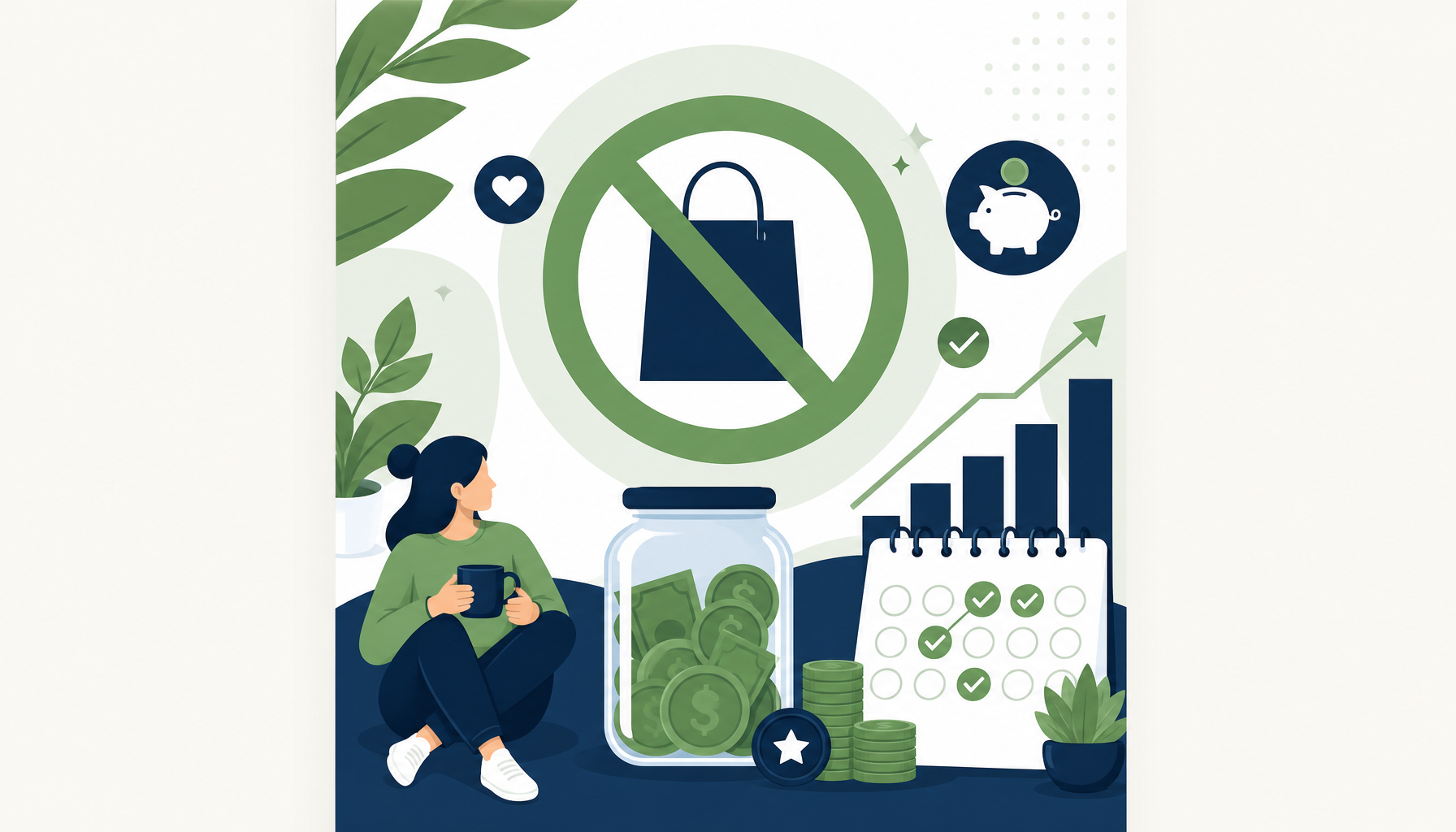
No Spend Challenge Explained: How to Reset Your Finances and Save More in 2026
You’ve checked your bank account and felt that familiar stomach drop — where did all your money go? The no spend challenge might be exactly the reset you didn’t know you needed.
This simple but powerful money challenge has taken off on social media and personal finance forums for good reason. It strips away the noise, forces you to get honest about your spending habits, and can put real cash back in your pocket — sometimes hundreds of dollars in just one month. Whether you’re drowning in impulse purchases or just feel like your money disappears into thin air, this guide breaks down everything you need to know before you start.
What Is the No Spend Challenge?
The no spend challenge is exactly what it sounds like: a set period of time where you commit to spending money only on true necessities. Think rent, utilities, groceries, transportation to work, and any medication or health-related expenses. Everything else — takeout, shopping, subscriptions you barely use, entertainment, coffee runs — gets paused.
The challenge can run for a weekend, a full week, an entire month, or even longer. Most people start with a 30-day no spend challenge, which gives you enough time to feel the financial impact without feeling completely overwhelmed. The goal isn’t to punish yourself. It’s to create a pause between your impulses and your wallet so you can see your spending patterns more clearly.
It’s worth noting that the no spend challenge isn’t about being extreme or living like you have nothing. It’s about being intentional. You’re not skipping your electric bill. You’re skipping the third online order this week that you didn’t actually need.
Why So Many People Are Trying It in 2026
With inflation still affecting everyday purchases and the cost of living remaining high for young adults, money challenges like this one have surged in popularity. In 2026, more people aged 18–35 are looking for ways to stretch their paychecks without needing a massive income boost to do it.
Social media has played a huge role too. TikTok, YouTube, and finance communities on Reddit are filled with people documenting their no spend months, sharing what they saved, and talking about how it shifted their mindset around money. Watching someone save $800 in a month by simply not shopping is genuinely motivating — and it makes the challenge feel achievable.
Beyond the trends, there’s a psychological reason this challenge works. Most of us are stuck in automatic spending mode. We buy things out of boredom, habit, or stress without ever stopping to ask whether we actually want or need them. A no spend challenge forces that pause and rewires the habit loop over time.
What Counts as a Necessary Expense?
This is where most people get tripped up, so let’s make it clear. Before you start your no spend challenge, you need to define your rules based on your lifestyle. The general framework looks like this:
Allowed (necessary expenses):
- Rent or mortgage
- Utilities and internet
- Groceries (basic staples, not luxury items)
- Gas or public transit for commuting
- Insurance premiums
- Minimum debt payments or scheduled savings
- Prescriptions and medical care
Not allowed (non-essential spending):
- Dining out or ordering food delivery
- New clothing or shoes
- Entertainment purchases (movies, concerts, games)
- Streaming subscriptions you can pause
- Beauty and personal care splurges
- Impulse online shopping
- Coffee shops and convenience stores
There are gray areas, and that’s okay. Maybe you have a birthday dinner you’ve already committed to. Maybe your gym membership is genuinely important for your mental health. The point is to decide before you start, write it down, and stick to it. Flexibility is fine — vagueness is not.
How to Set Yourself Up for Success
Going into a no spend challenge without preparation is how most people fail within the first week. A few key steps before you kick things off will make a massive difference.
Pick your timeframe intentionally. Don’t start a 30-day challenge right before the holidays or during a month packed with social events. Choose a quieter period where you have fewer financial temptations built into the calendar.
Tell someone. Accountability is everything. Tell a friend, a roommate, or post it online. When you know someone else is watching, you’re far less likely to cave on day six because you wanted a new pair of sneakers.
Meal prep and stock your pantry. One of the biggest budget killers is food. Before your challenge begins, buy a solid stock of pantry staples, plan your meals, and prepare as much food as you can in advance. This removes the “I have nothing to eat, let’s just order something” excuse.
Delete shopping apps from your phone. Remove the friction points. If Amazon and your food delivery apps aren’t on your home screen, you’re far less likely to mindlessly open them and spend money.
Find free alternatives for entertainment. A no spend month doesn’t have to be boring. Libraries, free local events, hiking, cooking new recipes at home, game nights with friends — there’s a lot you can do without spending a dollar.
What Happens to Your Finances During a No Spend Challenge
The financial impact of a no spend challenge depends on what your normal spending looks like, but most people are surprised by how quickly the savings add up.
The average American in their 20s or 30s spends a meaningful chunk of their monthly budget on discretionary purchases — things like dining out, shopping, and entertainment. Even cutting $300–$500 in one month can help you build a starter emergency fund, knock out a small debt, or finally get ahead instead of breaking even.
This is also a great time to use a free tool like Credit Karma to get a clear picture of your full financial situation. Credit Karma lets you check your credit score for free, see all your accounts in one place, and track how your financial habits are affecting your credit over time. Running a no spend challenge while keeping an eye on your credit score gives you a complete view of your financial health, not just your savings account.
Beyond the raw numbers, many people report that a no spend challenge changes how they feel about money. The anxiety around spending decreases. The reflex to buy as a reaction to stress or boredom weakens. By the end of the challenge, a lot of people decide to keep some of the new habits permanently.
Common Mistakes to Avoid
Even with the best intentions, people fall into predictable traps during a no spend challenge. Here’s what to watch for.
Being too rigid. If something genuinely unexpected comes up — a car repair, a medical need — spend the money. A no spend challenge is a financial tool, not a punishment. Refusing necessary spending in the name of the challenge will only create more problems.
Making a big shopping run right before. Some people try to “stock up” on non-essentials before the challenge starts, which completely defeats the purpose. Buy what you need for groceries and basics. That’s it.
Not tracking what you would have spent. Keep a running note of every time you almost spent money but didn’t. This isn’t just motivating — it shows you exactly how much you’re saving in real time and makes the experience feel more concrete.
Giving up after one slip. Missing a day doesn’t mean the challenge is over. Most people slip at some point. What matters is that you get back on track the next day and don’t let one mistake turn into a complete abandonment of the goal.
What to Do With the Money You Save
You finished your no spend challenge — now what? Having a plan for the money you saved is just as important as saving it in the first place. Without a destination, that cash tends to quietly disappear back into your regular spending.
Here are a few smart moves for what to do next:
Start or boost your emergency fund. Financial experts recommend having three to six months of expenses saved. If you don’t have that cushion yet, this is your first move.
Pay down high-interest debt. Credit card interest can eat your budget alive. Even putting an extra $200 toward your balance can save you meaningfully on interest charges over time.
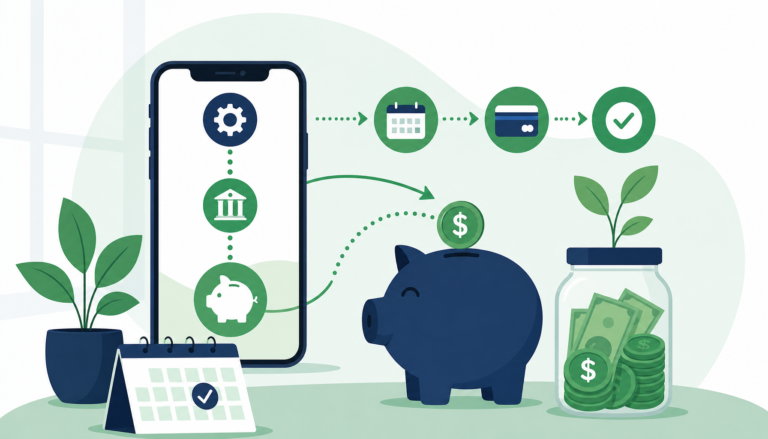
Open a high-yield savings account. In 2026, many online banks are still offering competitive interest rates on savings accounts. Park your no spend savings somewhere it can actually grow while you keep building.
Set a new monthly spending limit. Use what you learned about your spending habits during the challenge to set a realistic but tighter budget going forward. The challenge is temporary — the habits you build from it don’t have to be.
Conclusion
The no spend challenge is one of the simplest and most effective ways to take control of your money when you feel like it’s slipping away. It costs nothing to start, it works at any income level, and the lessons it teaches you about your own spending habits are genuinely difficult to learn any other way.
If you’re ready to try it, start small. Pick a no spend week before committing to a full month. Write down your rules, stock your pantry, delete your shopping apps, and tell someone you’re doing it. Track every dollar you don’t spend, and have a plan ready for what happens to those savings at the end.
Your next step: Open a free Credit Karma account to check your credit score and get a baseline snapshot of your finances before your challenge begins. Knowing where you stand financially makes the whole process feel more real — and the progress feels even better.
Frequently Asked Questions
What is the no spend challenge in simple terms?
The no spend challenge is a period of time — usually a week or a month — where you commit to spending money only on true necessities like rent, groceries, and utilities. All discretionary spending is paused until the challenge ends.
How much money can I realistically save from a no spend challenge?
It depends on your current spending habits, but most people save anywhere from $200 to $800 or more during a 30-day no spend challenge. The more you normally spend on non-essentials, the bigger the impact.
Can I still buy groceries during a no spend challenge?
Yes, absolutely. Groceries are a necessity. The key is to shop with a list, buy staples, and avoid treating grocery runs as an excuse to splurge on specialty items or snacks you don’t need.
What if I slip up and spend money on something I wasn’t supposed to?
One mistake doesn’t mean the challenge is over. Acknowledge it, figure out what triggered the slip, and continue the challenge the next day. Progress over perfection is the mindset that will get you through.
Is the no spend challenge worth it if I’m already on a budget?
Yes. Even if you already budget, a no spend challenge can reveal spending leaks you didn’t realize existed and give your savings a meaningful short-term boost. It’s also a great way to reset if your budget has started feeling loose or unmotivating.