How to Create a Budget for Beginners: A Step-by-Step Guide That Actually Works
Most people avoid budgeting because they think it means giving up everything fun — but that’s exactly backwards. A good budget doesn’t restrict your life; it funds it. If you’re in your twenties or early thirties and feel like your paycheck disappears before you can explain where it went, this guide is for you. You’re going to learn how to create a budget for beginners from scratch, without spreadsheets that make your eyes glaze over or advice that assumes you already have your finances figured out.
Why Budgeting Matters More in Your 20s and 30s Than Any Other Time
The financial decisions you make right now carry more weight than they will at almost any other point in your life. This is when student loans kick in, when rent eats a huge chunk of your income, and when the gap between your earnings and your cost of living can feel painfully small. It’s also when compound interest starts working either for you or against you, depending on what you do next.
Budgeting isn’t just about not overspending. It’s about making intentional choices so that your money goes toward what actually matters to you — whether that’s paying off debt, building an emergency fund, saving for a trip, or eventually buying a home. Without a plan, money has a funny way of just evaporating. With a plan, even a modest income can move you forward.
Step 1: Know Your Real Monthly Income
Before you can build a budget, you need to know exactly how much money is coming in. This sounds obvious, but a lot of people guess — and they’re usually wrong.
If you’re salaried, take your annual salary, divide it by 12, and then subtract taxes, health insurance, and any other deductions taken out of your paycheck. What you’re looking for is your net income — the actual dollar amount that lands in your bank account each month.
If you’re freelance, have a side hustle, or work hourly with variable hours, this gets trickier. Look at your bank statements from the last three to six months and calculate your average monthly income. When income is unpredictable, always budget based on your lowest recent month to stay conservative.
Include all income sources: your main job, any side gigs, rental income, or regular financial support. Just make sure you’re counting money you can actually rely on.
Step 2: Track Every Expense for One Month
Here’s where most budgeting guides skip a crucial step. They tell you to create spending categories, but they don’t tell you to look at your actual spending first. If you build a budget based on what you think you spend rather than what you actually spend, it won’t work.
Spend one full month tracking every transaction. You can use your bank’s app, a free app like Mint or YNAB, or simply go through your statements and write things down. Categorize everything: rent, groceries, dining out, subscriptions, transportation, clothing, entertainment, and anything else that shows up.
At the end of the month, total each category. You might be surprised — or slightly horrified — by the results. That’s okay. This data is valuable. You now have a clear picture of where your money actually goes, which is the foundation everything else is built on.
Step 3: Choose a Budgeting Method That Fits Your Life
There’s no single right way to budget. The best budgeting method is the one you’ll actually stick with. Here are three beginner-friendly approaches:
The 50/30/20 Rule
This is probably the most popular starting point for beginners. It divides your after-tax income into three buckets:
- 50% for needs — rent, groceries, utilities, transportation, minimum debt payments
- 30% for wants — dining out, entertainment, hobbies, subscriptions
- 20% for savings and debt payoff — emergency fund, retirement contributions, extra debt payments
It’s simple, flexible, and doesn’t require you to micromanage every dollar. If you’re just starting out, this is a solid framework.
Zero-Based Budgeting
With this method, you give every single dollar a job. Your income minus all your expenses, savings, and debt payments should equal zero at the end of the month. This isn’t the same as spending everything — you’re telling each dollar where to go before the month starts.
Zero-based budgeting takes more time and attention, but it’s incredibly effective for people who want to be intentional with every dollar they earn.
The Pay-Yourself-First Method
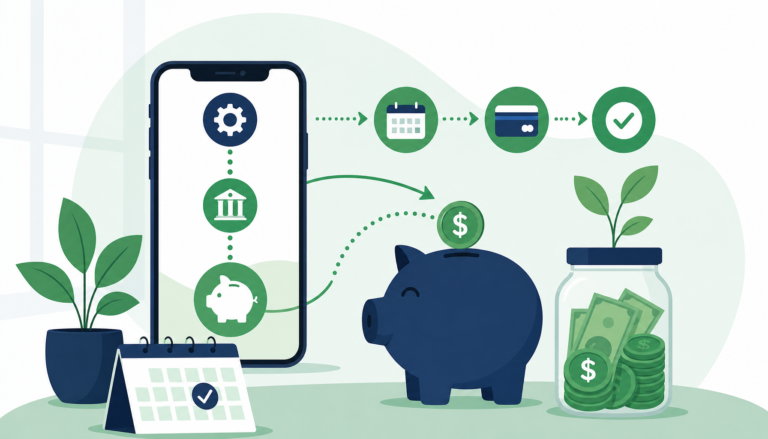
This is simple: before you pay any bill or buy anything, you move a set amount into savings. Automate it so it happens the day you get paid. Then you live on whatever’s left. This method works really well if you struggle with saving but have a generally healthy relationship with spending.
Step 4: Set Realistic Spending Limits
Now that you know what you earn and what you actually spend, it’s time to set your category limits for the coming month. This is your actual budget.
Start with your fixed expenses — rent, insurance, loan payments. These don’t change month to month, so they’re easy to plug in. Then move to variable expenses like groceries, gas, and dining out. Use your tracking data from Step 2 to set limits that are realistic, not aspirational.
Be honest with yourself here. If you spent $400 on restaurants last month, setting a $100 limit this month is probably going to fail. A better approach might be to set a $280 limit — a meaningful reduction that still feels achievable. Gradual changes tend to stick. Dramatic ones tend to backfire.
Make sure your spending limits leave room for your savings goals and debt payments. If the numbers don’t add up, you’ll need to either find ways to cut spending, increase your income, or both.
Step 5: Use the Right Tools to Stay on Track
Sticking to a budget is the hard part. The good news is that there are plenty of free tools that make it easier.
For beginners who want an automatic snapshot of their finances, Credit Karma is worth checking out. It’s completely free to use and shows your credit score, credit card balances, and spending patterns all in one place. It’s particularly helpful when you’re working on paying down debt alongside building a budget, since you can see exactly how your financial decisions affect your credit health over time. Knowing where your credit stands is an important piece of your overall money picture, especially in your 20s and 30s when big purchases like cars and apartments are on the horizon.
Other tools worth trying:
- YNAB (You Need a Budget) — Best for zero-based budgeting; paid but very popular
- Monarch Money — Clean interface, great for couples or shared finances
- A simple spreadsheet — Google Sheets has free budget templates that work well if you prefer manual control
The tool matters less than the habit. Pick one, commit to checking it regularly, and adjust as you go.
Step 6: Build In Flexibility and Review Monthly
One of the biggest reasons people quit budgeting is that they treat it like a law instead of a plan. Life doesn’t stay the same from month to month — your car needs a repair, a friend’s wedding comes up, or you get a raise. Your budget needs to bend with those realities.
At the end of each month, sit down and do a quick review. Ask yourself:
- Did I stick to my category limits?
- Where did I overspend, and why?
- Did anything unexpected come up that I need to plan for next month?
- Am I making progress toward my savings goals?
This monthly check-in doesn’t need to take more than 20 minutes. But it makes a huge difference. Without it, small budget problems compound. With it, you stay in control and can make adjustments before things go sideways.
Also remember to update your budget whenever your financial situation changes — new job, new rent, new recurring expense. A budget that reflects your real life is far more useful than a perfect one that’s six months out of date.
Step 7: Connect Your Budget to a Goal You Actually Care About
Numbers on a spreadsheet aren’t motivating. A $5,000 emergency fund that keeps you from panicking if you lose your job? That’s motivating. A budget isn’t just a financial document — it’s the bridge between where you are now and where you want to be.
Before you finalize your first budget, write down one or two specific financial goals you want to work toward. Make them concrete:
- “I want to save $1,000 for an emergency fund in the next four months”
- “I want to pay off my credit card balance of $2,400 by December”
- “I want to save $3,000 for a trip to Europe next summer”
Then build those goals into your budget as non-negotiable line items — just like rent. When saving for something specific, automate those transfers so the money moves before you have a chance to spend it. Tying your budget to goals you’re genuinely excited about is what makes budgeting feel less like a punishment and more like a tool working in your favor.
You Don’t Have to Be Perfect — You Just Have to Start
The most important thing about creating a budget is not doing it perfectly. It’s starting. Your first budget will be imperfect, and that’s completely fine. You’ll overspend in some categories, forget to account for something, and probably need to revise your numbers within the first couple of weeks. That’s all a normal part of the process.
What matters is that you’re paying attention to your money, making intentional choices, and adjusting as you learn. Every month you stick with it, you’ll get a little better. Over time, budgeting stops feeling like a chore and starts feeling like a superpower.
Your next step: open your bank app right now, look at last month’s transactions, and add up what you spent in your top five categories. That’s it. One small action today can start changing your financial life.
Frequently Asked Questions
How much of my income should I save when I’m just starting out?
A common starting point is saving 20% of your take-home pay, based on the 50/30/20 rule. But if that feels impossible right now, start with whatever you can — even $25 or $50 per paycheck. Building the habit matters more than the amount when you’re first starting out.
What’s the easiest budgeting method for beginners?
The 50/30/20 rule is widely considered the most beginner-friendly budgeting method because it’s flexible and doesn’t require detailed tracking of every dollar. It gives you a clear framework without being overwhelming.
Do I need a budgeting app or can I use a spreadsheet?
Both work. A budgeting app automates more of the tracking and is easier to maintain consistently. A spreadsheet gives you more control and flexibility. Try both and stick with whichever one you’ll actually open regularly.
How do I budget when my income changes every month?
Base your budget on your lowest income month from the past three to six months. Treat any extra income in higher months as a bonus that goes straight to savings or debt payoff. This approach keeps you from overspending during good months and scrambling during slow ones.
How long does it take for budgeting to actually work?
Most financial experts suggest giving yourself three months before judging whether a budget is working. The first month is data collection. The second month you start making adjustments. By the third month, things usually start clicking and you begin seeing real progress.