Checking Account vs Savings Account: What’s the Difference and Which Do You Need?
Most people have heard of both, but shockingly few can explain what actually makes them different — and that gap in knowledge can quietly cost you money. If you’ve ever wondered what is a checking account vs savings account, you’re not alone, and understanding the distinction is one of the most practical money moves you can make right now.
The Basic Purpose of Each Account
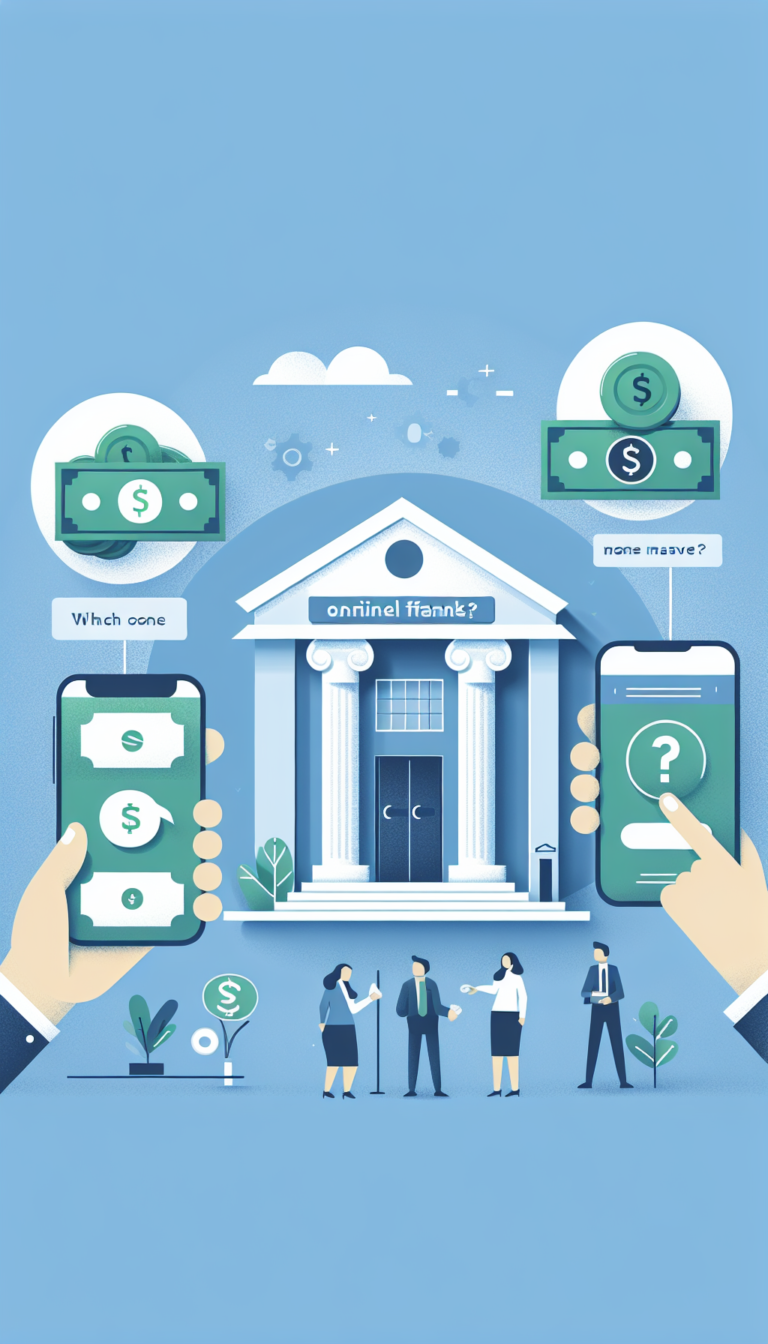
At their core, checking accounts and savings accounts are designed to do two very different jobs. A checking account is built for everyday spending. It’s your financial hub for paying bills, buying groceries, swiping your debit card, and moving money around on a daily basis. Think of it as your money’s front door — things come in and go out constantly.
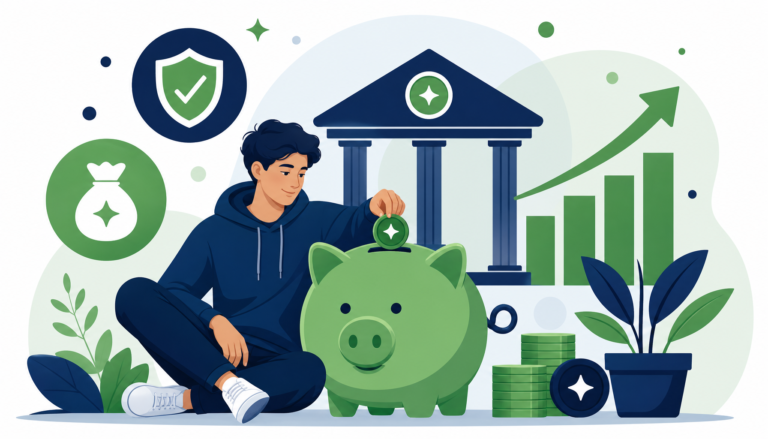
A savings account, on the other hand, is designed to hold money you don’t plan to touch right away. It’s where you park funds you’re actively setting aside — whether for an emergency fund, a vacation, a down payment, or just a financial cushion. The whole point is to let money sit and ideally grow over time.
Neither account is better than the other. They work best when used together, each playing its specific role in your financial life.
How Checking Accounts Work
Checking accounts are the most liquid type of bank account, which simply means your money is the most accessible. Here’s what typically comes with a checking account:
- Debit card access for in-store and online purchases
- Check-writing privileges for rent, bills, or personal payments
- Direct deposit so your paycheck lands right where you need it
- No limit on transactions — you can move money as often as you need
- Online bill pay and bank transfer capabilities
Most checking accounts don’t earn interest, or if they do, the rate is so low it’s barely worth mentioning. The trade-off is complete flexibility. You’re not rewarded for keeping money there — because the expectation is that you’re actively using it.
Watch out for monthly maintenance fees, overdraft fees, and minimum balance requirements. Many online banks and credit unions offer free checking with no minimum balance, so it pays to shop around rather than defaulting to whatever bank is most convenient.
How Savings Accounts Work
Savings accounts are designed to reward patience. The key features of a savings account include:
- Interest earnings — your money grows over time, even if slowly
- FDIC or NCUA insurance — your deposits are protected up to $250,000
- Separation from daily spending — out of sight, out of temptation
- Fewer transactions — the federal rule that once limited you to six withdrawals per month has been relaxed, but many banks still encourage less frequent access
The big appeal of a high-yield savings account (HYSA) is the interest rate. While a traditional brick-and-mortar savings account might offer 0.01% APY, high-yield savings accounts at online banks have offered rates between 4–5% APY in recent years. That gap matters a lot when you’re trying to grow an emergency fund.
The slight downside? Savings accounts are less convenient to access than checking accounts. That’s actually by design — the friction is there to help you save rather than spend.
Key Differences Between Checking and Savings Accounts
Here’s a side-by-side breakdown of where these two accounts diverge:
| Feature | Checking Account | Savings Account |
|---|---|---|
| Primary Use | Daily spending | Storing and growing money |
| Interest Rate | Very low or none | Low to high (especially HYSAs) |
| Transaction Limits | Unlimited | Varies; banks may limit withdrawals |
| Debit Card | Yes | Usually no |
| Check Writing | Yes | Usually no |
| Best For | Bills, purchases, payroll | Emergency funds, goals, reserves |
The biggest practical difference comes down to access and growth. Checking = easy access, little growth. Savings = limited access, more growth potential.
When to Use Each One
Understanding the accounts conceptually is one thing — knowing when to actually use each is where real financial clarity lives.
Use your checking account for:
- Your regular paycheck deposit
- Monthly bills (rent, utilities, subscriptions)
- Everyday debit card purchases
- Transfers to pay off your credit card
Use your savings account for:
- Your emergency fund (aim for 3–6 months of expenses)
- Short-term goals like a vacation or car repair
- Any money you won’t need for at least a few months
- Building a down payment on a home or car
A simple strategy many financial experts recommend is the “two-account system”: your paycheck hits your checking account, you pay your bills and daily expenses from there, and you automatically transfer a set amount to your savings account on payday before you have a chance to spend it.
How to Check Your Financial Health Before Choosing
Before you open either account — or decide whether to switch banks — it’s worth getting a clear picture of your overall financial standing. This is where a free tool like Credit Karma genuinely comes in handy. Credit Karma lets you check your credit score for free and gives you a broader snapshot of your financial profile, which can be useful when applying for accounts that require a credit check or when a bank pulls your ChexSystems report.
Some banks will review your banking history before approving a new account. If you’ve had overdrafts or negative balances in the past, knowing where you stand before you apply can save you from unexpected rejections. Credit Karma is free, doesn’t hurt your credit to use, and takes about five minutes to set up — worth doing before you start comparing bank options.
Choosing the Right Bank for Each Account
Not all banks offer the same experience for checking or savings accounts. Here’s what to consider when choosing where to bank:
For checking accounts, look for:
- No monthly maintenance fees (or easy ways to waive them)
- A large ATM network or ATM fee reimbursements
- Strong mobile app and online banking features
- Overdraft protection or no-overdraft-fee policies
For savings accounts, look for:
- The highest APY you can find — online banks consistently beat traditional banks here
- No minimum balance requirements to earn interest
- Easy transfers to and from your checking account
- FDIC or NCUA insurance confirmation
Some popular options young adults use for high-yield savings include Ally Bank, Marcus by Goldman Sachs, and SoFi — all of which consistently offer competitive APYs with no fees. For checking, many people use online-first banks like Chime or Discover, or a local credit union that offers free checking.
You don’t have to keep your checking and savings accounts at the same bank. In fact, keeping them at different institutions can actually make saving easier because that separation adds a small psychological barrier to pulling money from savings on impulse.
Building Good Habits With Both Accounts
Having the right accounts matters less than using them consistently well. Here are a few habits worth building early:
Automate your savings. Set up an automatic transfer from your checking to your savings on the day you get paid. Even $25 or $50 a paycheck adds up over time. The automation removes the decision-making and the temptation.
Keep a checking account buffer. Try to keep slightly more in your checking account than you think you’ll need each month. This reduces overdraft risk and gives you breathing room for unexpected charges.
Label your savings goals. Many online savings accounts let you create sub-accounts or “buckets” for different goals. One bucket for your emergency fund, one for a trip, one for a car. Labeling goals makes them feel real — and research consistently shows it makes you more likely to stick with them.
Review both accounts monthly. It only takes a few minutes to check your balances, review what you spent, and make sure your savings are on track. That monthly check-in builds financial awareness, which is the foundation of every good money habit.
Conclusion
Checking accounts and savings accounts are not rivals — they’re teammates. Your checking account keeps your daily financial life running smoothly, while your savings account quietly builds a cushion behind the scenes. The smartest move isn’t choosing one over the other. It’s setting up both, automating your savings, and letting the two accounts do exactly what they were designed to do.
If you haven’t already, your next step is simple: open a high-yield savings account this week and set up an automatic transfer from your checking account for whatever amount you can realistically spare right now. Even starting small is starting. You can always increase it later — but you can’t get back the time you spent not saving.
Frequently Asked Questions
Do I need both a checking account and a savings account?
Yes, for most people, having both makes financial management much easier. Your checking account handles daily spending and income, while your savings account holds money for goals and emergencies. Using both together is the most effective setup for building financial stability.
Can I use a savings account for everyday purchases?
Technically you can transfer money out of a savings account, but it’s not designed for frequent transactions and typically doesn’t come with a debit card. Using a savings account for daily spending defeats its purpose and can make it harder to track your budget.
What’s the difference between a regular savings account and a high-yield savings account?
Both are savings accounts, but a high-yield savings account (HYSA) offers a significantly higher interest rate — often 10 to 20 times higher than a traditional savings account. HYSAs are usually offered by online banks, which have lower overhead costs and pass those savings on to customers through better rates.
Is my money safe in a checking or savings account?
Yes, as long as your bank is FDIC-insured (or NCUA-insured if it’s a credit union). Your deposits are protected up to $250,000 per depositor, per institution. You can verify your bank’s insurance status on the FDIC website before opening an account.
How much should I keep in each account?
A common guideline is to keep one to two months of living expenses in your checking account as a buffer, and at least three to six months of expenses in your savings account as an emergency fund. Once that emergency fund is built, any additional savings can go toward specific goals or be invested.