What Is Debt Consolidation? A Simple Guide for Young Adults in 2026
If you’re juggling multiple credit card bills, student loans, and random subscription fees you forgot to cancel, debt can feel like it’s closing in from every direction. Debt consolidation might be the financial reset you didn’t know you needed — but before you sign anything, you need to understand exactly what you’re getting into.
What Is Debt Consolidation, Exactly?
Debt consolidation is the process of combining multiple debts into a single loan or payment, ideally with a lower interest rate or more manageable monthly payment. Instead of tracking five different due dates, minimum payments, and interest rates, you roll everything into one.
Think of it like this: you owe money to three credit cards, a personal loan, and maybe a medical bill. Debt consolidation lets you take out one new loan to pay all of those off at once. Now you only have one lender, one payment, and one interest rate to worry about.
In 2026, with interest rates remaining a major concern for borrowers and consumer debt at record highs across the U.S., consolidation has become one of the most searched financial topics among people aged 18 to 35. And for good reason — when done right, it can genuinely simplify your financial life and save you money.
How Does Debt Consolidation Work?
The mechanics are pretty straightforward, but the details matter. Here’s the basic process:
- You apply for a consolidation loan or product. This could be a personal loan, a balance transfer credit card, a home equity loan, or a debt management plan through a nonprofit.
- The new lender pays off your existing debts. In some cases, you receive the funds and pay them yourself. In others, the lender handles it directly.
- You repay the new loan. You now make one monthly payment on a fixed schedule until the debt is paid off.
The goal is usually to get a lower Annual Percentage Rate (APR) than what you’re currently paying across your existing debts. If your credit cards are charging you 22–28% interest (which is common in 2026), and you qualify for a personal loan at 12%, you could save a significant amount in interest over time.
However, debt consolidation doesn’t erase your debt. It restructures it. That’s an important distinction — we’ll talk more about that shortly.
Types of Debt Consolidation Options
Not all consolidation methods are created equal. Your best option depends on your credit score, the type of debt you have, and how quickly you want to pay it off.
Personal Loans
This is one of the most common routes. You borrow a lump sum from a bank, credit union, or online lender, use it to pay off your existing debts, then repay the personal loan in fixed monthly installments. Rates vary widely based on creditworthiness, so the better your credit score, the better the deal you’ll get.
Balance Transfer Credit Cards
Some credit cards offer 0% APR promotional periods — often 12 to 21 months — for balance transfers. If you can pay off the transferred balance before the promotional period ends, you could pay zero interest. The catch? There’s usually a transfer fee (typically 3–5%), and if you don’t pay it off in time, the rate jumps significantly.
Home Equity Loans or HELOCs
If you own a home, you may be able to borrow against your equity at a lower interest rate. This can be a powerful tool, but it’s also risky — you’re putting your home on the line as collateral. For most young adults who are renting, this option isn’t applicable yet.
Debt Management Plans (DMPs)
Offered through nonprofit credit counseling agencies, a DMP involves working with a counselor who negotiates lower interest rates with your creditors. You make one monthly payment to the agency, and they distribute it to your lenders. This option doesn’t require good credit and is a solid alternative if you don’t qualify for a traditional loan.
Student Loan Consolidation
Federal student loans can be consolidated through the government’s Direct Consolidation Loan program. This combines multiple federal loans into one, though it won’t necessarily lower your interest rate — it averages them. Refinancing with a private lender can lower your rate but causes you to lose federal protections. Choose carefully.
The Pros and Cons of Debt Consolidation
Like any financial move, debt consolidation has real advantages and real drawbacks. Here’s an honest breakdown.
Pros:
- Simplified payments. One bill instead of several reduces the risk of missing a due date.
- Potentially lower interest rate. If you qualify for a better rate, you save money over time.
- Fixed payoff timeline. Unlike revolving credit card debt, a personal loan gives you a clear end date.
- Can reduce monthly payments. Stretching repayment over a longer term lowers the monthly amount, freeing up cash flow.
- May improve your credit score over time. Paying consistently on a single installment loan can help your credit profile.
Cons:
- Doesn’t fix spending habits. If the behavior that created the debt doesn’t change, you could end up in more debt.
- Longer terms mean more interest overall. A lower monthly payment sounds great until you realize you’re paying more in total interest over five years versus two.
- Fees and costs. Origination fees, balance transfer fees, and prepayment penalties can eat into your savings.
- Risk to collateral. If you use a secured loan (like a HELOC), you could lose your home if you default.
- Hard credit inquiry. Applying for a new loan temporarily dips your credit score.
Is Debt Consolidation Right for You?
Debt consolidation makes the most sense in specific situations. You’re likely a good candidate if:
- You have multiple high-interest debts, particularly credit cards
- You have a steady income and can commit to monthly payments
- Your credit score is good enough to qualify for a better interest rate
- You’re serious about not adding more debt while you pay this off
On the other hand, consolidation may not be the right move if your total debt is relatively small (and you can pay it off quickly on your own), if your credit score is too low to qualify for a better rate, or if you haven’t addressed the root cause of the debt.
Before applying for anything, check your credit score and get a clear picture of your financial situation. Credit Karma is a free tool that lets you check your credit score anytime without affecting it, and it shows you personalized loan and card offers based on your credit profile. It’s a smart first step before you start comparing consolidation options.
What Happens to Your Credit Score?
This is one of the biggest concerns people have, and it’s valid. Here’s the honest picture:
In the short term, applying for a consolidation loan results in a hard inquiry, which can drop your score by a few points temporarily. If you open a new credit card for a balance transfer, it also reduces the average age of your accounts, which can hurt your score slightly.
But in the medium to long term, debt consolidation usually helps your credit score. Why? Because:
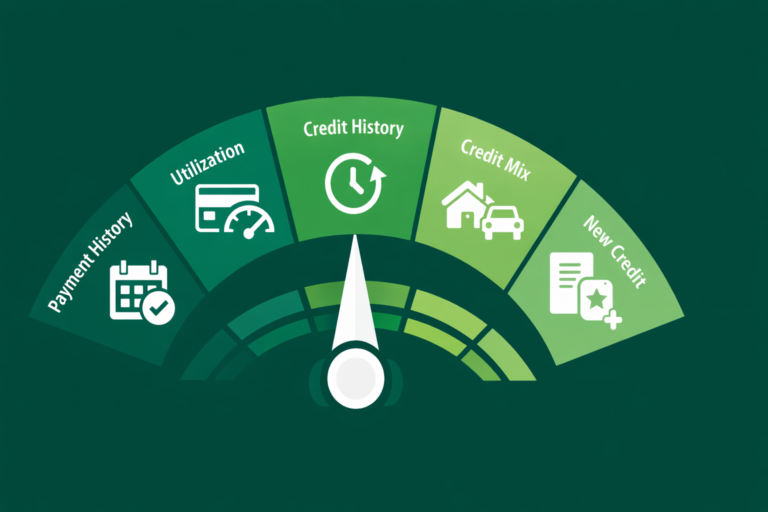
- Your credit utilization ratio drops when you pay off credit card balances (utilization accounts for about 30% of your FICO score)
- On-time payments on your new loan build positive payment history
- Having a mix of credit types (revolving + installment) can also help
The key is making every payment on time and not running your credit cards back up after consolidating. That last part is where many people slip up.
How to Get Started With Debt Consolidation in 2026
Ready to take action? Here’s a simple roadmap:
Step 1: List all your debts. Write down every debt you have — the balance, interest rate, and minimum payment. This gives you the full picture.
Step 2: Check your credit score. Use a free tool like Credit Karma to see where you stand and what types of loans or cards you might qualify for.
Step 3: Research your options. Compare personal loan rates from multiple lenders. Look at credit unions, online lenders, and your own bank. Don’t just accept the first offer.
Step 4: Run the math. Calculate how much you’d pay in total interest under your current situation versus a consolidation loan. Make sure the numbers actually work in your favor.
Step 5: Apply and execute. Once you’ve chosen a product, apply and use the funds to pay off your existing debts immediately. Don’t let the money sit.
Step 6: Close the loop. Consider closing or lowering limits on old credit cards so you’re not tempted to use them again. Build a budget that includes your new monthly consolidation payment as a non-negotiable line item.
Conclusion
Debt consolidation isn’t a magic fix, but it’s one of the most practical tools available to young adults who are overwhelmed by multiple debts with high interest rates. In 2026, with borrowing costs still elevated and financial stress running high, understanding how consolidation works could be the thing that finally helps you gain traction.
Your next step is simple: get clear on what you owe. Write down every debt, check your credit score for free on Credit Karma, and spend 30 minutes comparing your options. Knowledge is the first move — everything else follows from there.
Frequently Asked Questions
Does debt consolidation hurt your credit score?
Debt consolidation can cause a small, temporary dip in your credit score due to the hard inquiry when you apply. However, over time, consolidation typically helps your score by lowering your credit utilization and establishing a consistent payment history.
Is debt consolidation the same as debt settlement?
No, and the difference is important. Debt consolidation means you’re restructuring and fully repaying your debt under new terms. Debt settlement means negotiating to pay less than you owe, which seriously damages your credit and may have tax implications.
What credit score do you need for debt consolidation?
It depends on the lender, but generally a score of 650 or higher gives you access to reasonable personal loan rates. Scores above 720 will qualify you for the best rates. If your score is lower, a debt management plan through a nonprofit may be a better route.
Can I consolidate student loans with credit card debt?
You can consolidate federal student loans with other federal loans through the government’s Direct Consolidation Loan. However, mixing student loans with credit card debt is typically done through a private personal loan, which means you’d lose federal student loan protections. Be cautious here.
How long does debt consolidation take?
The timeline depends on how much you owe and the repayment term you choose. Personal loan terms typically range from two to seven years. Balance transfer cards with 0% APR periods give you 12–21 months to pay interest-free. The faster you pay, the less interest you pay overall.