What Is Overdraft Protection and Is It Actually Worth It?
You check your bank balance right before a purchase and feel that sinking feeling — you’re a few dollars short. That moment is exactly what overdraft protection is designed for, but whether it helps or hurts you depends entirely on how it works at your bank.
Overdraft protection is one of those banking features that sounds like a safety net but can quietly cost you hundreds of dollars a year if you’re not paying attention. Before you opt in — or out — of anything, here’s everything you need to know to make a smart decision.
How Overdraft Protection Actually Works
Overdraft protection is a bank service that covers transactions when your checking account doesn’t have enough money to complete them. Instead of having your debit card declined or a check bounce, the bank steps in to cover the difference.
That coverage can come from a few different sources depending on what your bank offers and what you’ve set up:
- A linked savings account: The bank automatically pulls the missing funds from another account you own.
- A line of credit: The bank extends you a short-term loan to cover the transaction.
- A linked credit card: The shortfall gets charged to your credit card.
- The bank’s own overdraft fund: The bank covers it and charges you a fee, typically ranging from $25 to $35 per transaction.
The key thing to understand is that “overdraft protection” and “overdraft coverage” are not always the same thing. Many banks bundle these terms together, but they can have very different cost structures. Always ask your bank exactly how their version works before assuming it’s free or low-cost.
The Real Cost of Overdraft Fees
Here’s where the numbers get uncomfortable. The average overdraft fee in the United States is around $26 to $35 per transaction. That means if you overdraft three times in a week — maybe on a coffee, a gas fill-up, and a grocery run — you could be looking at $75 to $105 in fees before you’ve even realized what happened.
Some banks also charge extended overdraft fees if your account stays negative for more than a few days, which can stack another $5 to $10 per day on top of the original fee.
According to the Consumer Financial Protection Bureau, overdraft fees disproportionately affect lower-income consumers and young adults who are still building financial stability. Many banks have faced significant pressure to reform these practices, and some — like Ally, Capital One, and Chime — have eliminated overdraft fees entirely.
If you’re banking with a traditional institution and haven’t looked at your fee schedule lately, now is the time. One overdraft per month adds up to $300 to $420 per year in fees alone.
Opt-In vs. Opt-Out: What You Need to Know
In 2010, the Federal Reserve put rules in place that changed how banks can charge overdraft fees on debit card transactions and ATM withdrawals. Under these rules, banks cannot automatically charge you an overdraft fee for everyday debit card purchases unless you have actively opted in to overdraft coverage.
This is a big deal. If you haven’t opted in, and you try to make a purchase you don’t have money for, your card will simply be declined. That’s embarrassing in the moment but costs you nothing.
If you have opted in, the bank covers the transaction and charges you the fee. Some people prefer this because it prevents declined transactions at important moments, like when you’re buying gas on a road trip or paying for a prescription. Others find the fees far more damaging than the inconvenience of a declined card.
Note that this opt-in rule does not apply to checks or ACH payments like automatic bill pay. Those can still trigger overdraft fees regardless of whether you’ve opted in for debit transactions.
The takeaway: check your account settings right now. Log in to your online banking and look for “overdraft settings” or “overdraft services.” You may be opted in without remembering that you ever made that choice.
Types of Overdraft Protection: Which One Is Best?
Not all overdraft protection is created equal. Here’s a quick breakdown of the most common types ranked roughly from most affordable to most expensive:
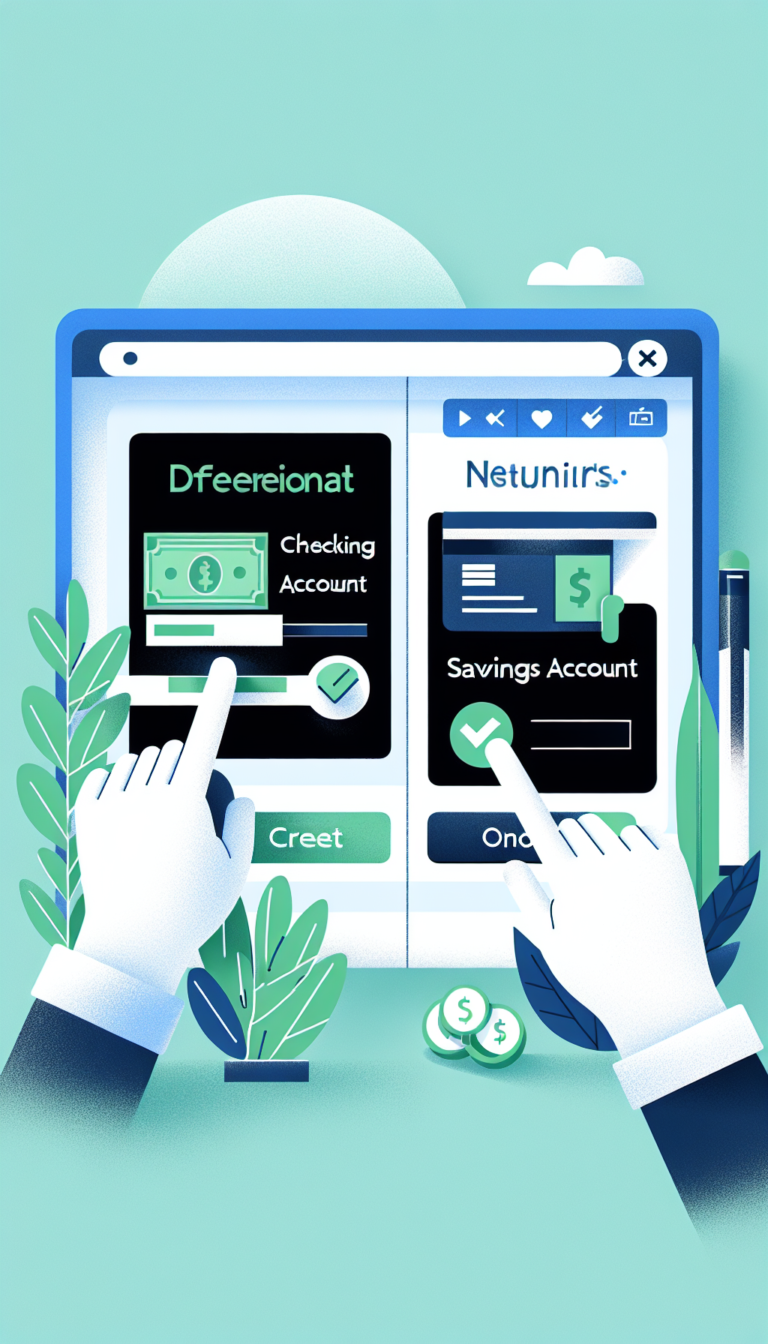
Linked savings account transfers are usually the cheapest option. Some banks charge a small fee of $5 to $12 per transfer, but many now offer this service for free. If you have a savings account at the same bank, this is typically the smartest setup.
Overdraft lines of credit function like a small revolving credit line attached to your checking account. You’ll pay interest on what you borrow, usually somewhere between 12% and 20% APR, but you avoid the flat overdraft fee. For small shortfalls, this is often less expensive than a standard overdraft fee.
Linked credit card coverage is similar to a line of credit but uses an existing credit card you already have. This can work well if your credit card has a low interest rate, but watch out for cash advance fees, since some banks classify these transfers as cash advances rather than purchases.
Standard overdraft coverage (the bank pays and charges a fee) is the most expensive option and the one most people default into without realizing it. Unless your bank has eliminated or reduced these fees, this should be your last resort, not your primary setup.
Smarter Alternatives to Relying on Overdraft Protection
The best overdraft strategy is one where you rarely need it. Here are a few practical habits that can keep your account out of the danger zone:
Set up low balance alerts. Most banking apps let you set a notification for when your balance drops below a certain threshold — say, $100 or $200. This gives you a warning before things get critical.
Keep a small buffer in your checking account. Treat $100 to $200 as your “do not spend” floor. Mentally act as if your account balance is that much lower than it actually is. It’s a simple trick that prevents a lot of stress.
Use a budgeting app. Apps like YNAB or even your bank’s built-in tools help you see where every dollar is going before it’s gone.
Check your credit report and financial health regularly. This is where Credit Karma comes in handy. Credit Karma is a free tool that shows you your credit scores, helps you monitor for errors, and gives you personalized recommendations for financial products that fit where you are right now. If you’ve had overdraft issues that may have affected your banking history or credit profile, Credit Karma can help you get a clear picture of your financial standing. It’s free to use and takes about five minutes to set up.
Switch to a fee-free bank. Online banks and credit unions often have far more forgiving overdraft policies. Chime, for example, offers SpotMe, which lets eligible members overdraft up to $200 with no fee. Ally Bank eliminated overdraft fees entirely. If your current bank is charging you repeatedly, it might simply be time to move.
How Overdraft Protection Affects Your Banking History
Most people don’t realize that your banking behavior — not just your credit behavior — is tracked. ChexSystems is a consumer reporting agency that records negative banking activity, including unpaid overdrafts and account closures due to misuse.
If you have too many unpaid overdrafts or your bank closes your account because of them, that record stays in ChexSystems for up to five years. Banks check ChexSystems when you apply for a new checking account, and a negative report can get you denied.
This is why it matters to pay off any overdraft balance as quickly as possible. An unpaid overdraft that grows with fees can snowball, and if the bank closes your account and sends the balance to collections, it can affect both your ChexSystems report and your credit score.
Understanding this system is especially important for young adults who are just starting to establish their financial histories. One rough stretch with overdrafts can create friction for years if it’s left unresolved.
When Overdraft Protection Makes Sense (And When It Doesn’t)
Overdraft protection isn’t universally bad. There are real scenarios where having it in place is the right call.
It makes sense if:
- You’ve linked a savings account and the transfer fee is low or nonexistent
- You have a credit line set up with a reasonable interest rate
- You work a commission-based or irregular income job and your balance genuinely fluctuates
- You want peace of mind that essential payments like rent or utilities won’t bounce
It doesn’t make sense if:
- Your bank charges $30+ per incident and you have frequent small shortfalls
- You’re using it as a substitute for budgeting
- You often forget to pay back the negative balance, which leads to growing fees
The bottom line is that overdraft protection is a tool, not a solution. Used intentionally with the right setup, it can provide a genuine cushion. Used carelessly, it can quietly drain your account month after month.
Conclusion
Understanding what overdraft protection is and how it works at your specific bank is one of the easiest financial wins you can get today. It takes less than 10 minutes to log into your account, review your overdraft settings, and make a decision that actually aligns with your situation.
Your next step: right now, check whether you’re opted in to overdraft coverage at your bank. If you are, decide whether a linked savings account or line of credit would be a smarter setup. And if overdraft fees have been a recurring issue, consider whether it’s time to switch to a bank that doesn’t charge them at all.
Small changes to how your checking account is set up can save you hundreds of dollars over the course of a year — and that money is better in your pocket.
Frequently Asked Questions
Is overdraft protection free?
It depends on the bank and the type of protection. Linked savings account transfers are often free or low-cost. Standard overdraft coverage, where the bank covers the transaction and charges a fee, typically costs $25 to $35 per incident. Always ask your bank specifically what fees apply.
Does overdraft protection hurt your credit score?
Using overdraft protection itself doesn’t directly affect your credit score. However, if an unpaid overdraft balance gets sent to a collections agency, that can appear on your credit report and lower your score.
Should I opt in or opt out of overdraft coverage?
For most people in a stable financial situation, opting out of standard overdraft coverage for debit transactions is the safer choice. A declined card is inconvenient but free. If you want protection, set up a linked savings account instead.
What happens if I don’t pay back an overdraft balance?
Your bank may charge additional fees, close your account, and report the unpaid balance to ChexSystems. If it goes to collections, it can also impact your credit score. Always resolve a negative balance as quickly as possible.
What are the best banks for avoiding overdraft fees?
Several banks have moved away from overdraft fees in recent years. Chime, Ally Bank, Capital One 360, and many local credit unions either don’t charge overdraft fees or offer more forgiving alternatives like small no-fee buffers or free savings account linking.