What Affects Your Credit Score: The 5 Factors You Need to Know
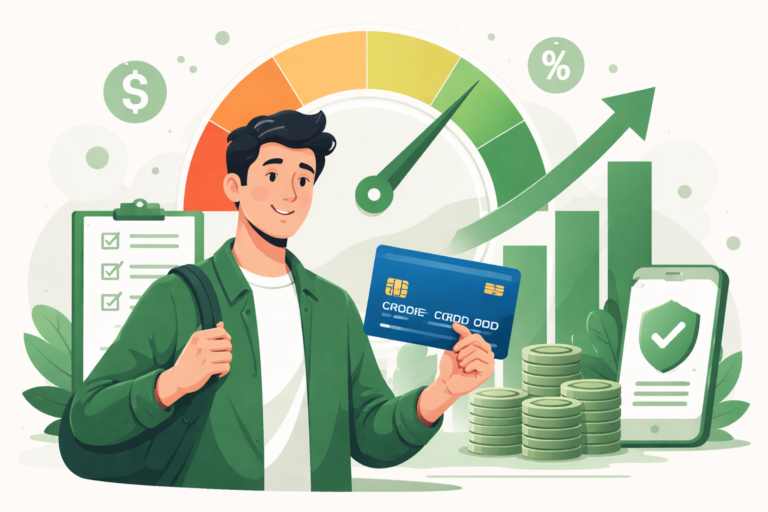
Your credit score is one of the most powerful three-digit numbers in your financial life — and most people have no idea what actually moves it. Whether you’re trying to rent your first apartment, buy a car, or eventually get a mortgage, understanding what affects your credit score can save you thousands of dollars and a lot of frustration.
The good news? Credit scores aren’t mysterious. They follow a clear formula, and once you know the rules, you can start playing the game strategically. Let’s break down exactly how your score is built, what hurts it, and what you can do right now to make it stronger.
How Credit Scores Actually Work
Before diving into the individual factors, it helps to understand the basics. Most lenders use your FICO score, which ranges from 300 to 850. A score above 670 is generally considered good, above 740 is very good, and above 800 is exceptional. The higher your score, the better interest rates and terms you’ll qualify for.
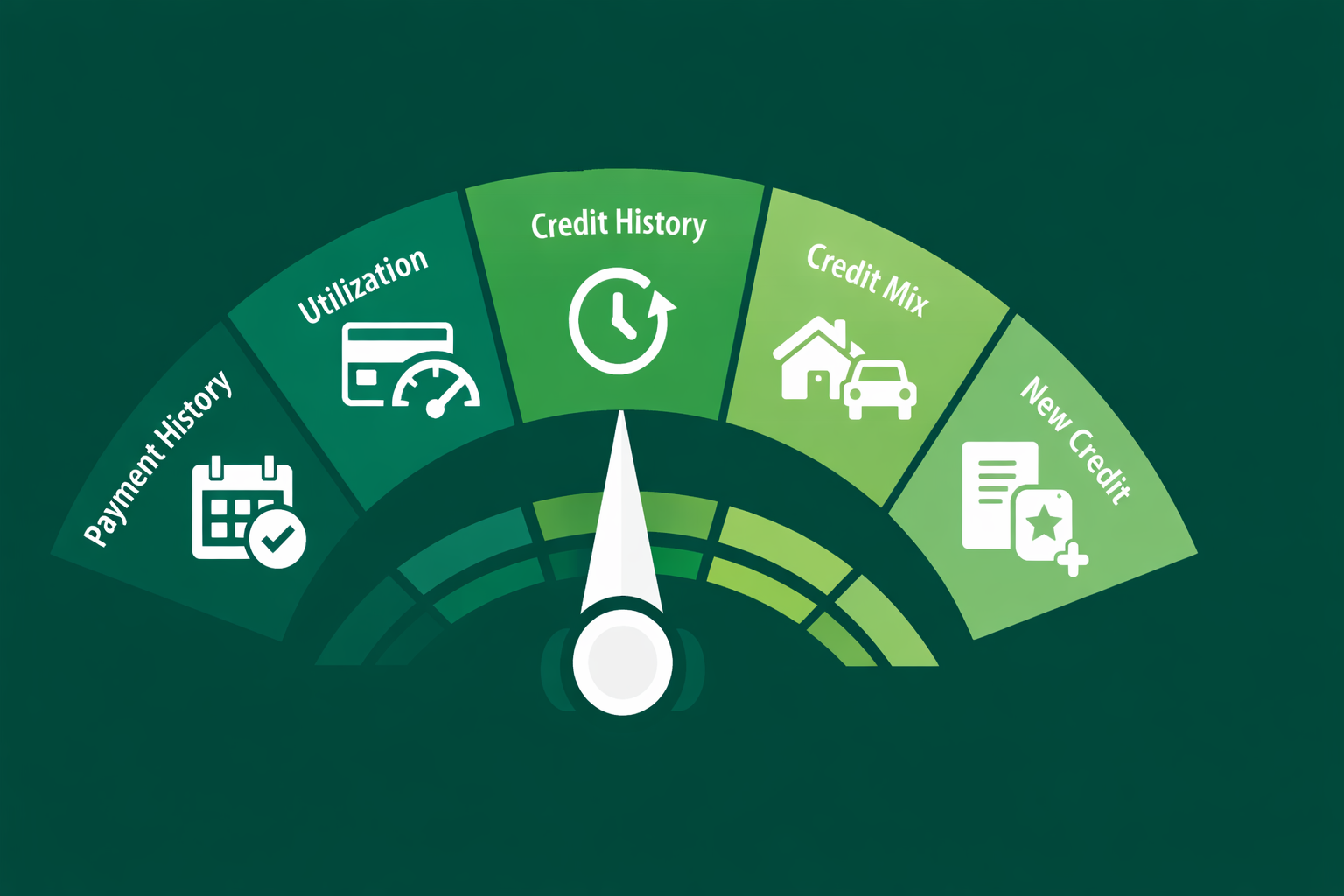
Your score is calculated using data pulled from your credit reports at the three major bureaus — Equifax, Experian, and TransUnion. Each bureau may have slightly different information, which is why scores can vary. FICO breaks down its scoring into five specific categories, each weighted differently. Understanding those weights is the key to knowing where to focus your energy.
Payment History: The Biggest Factor by Far
Payment history makes up 35% of your FICO score, making it the single most important factor. Every time you pay a bill on time — credit card, auto loan, student loan, mortgage — it gets recorded as a positive mark. Every time you miss a payment or pay late, it gets recorded as a negative one.
A single missed payment can drop your score by 50 to 100 points, depending on how good your score was to begin with. Payments that are 30 days late are reported to bureaus and can stay on your report for up to seven years. The more recent a late payment, the harder it hits your score.
The fix here is simple but requires consistency: set up autopay for at least the minimum payment on every account. You don’t have to pay in full each month to protect your payment history — you just have to pay something on time, every time.
Credit Utilization: How Much of Your Limit You’re Using
Coming in at 30% of your score, credit utilization measures how much of your available credit you’re actually using. If your credit card has a $5,000 limit and you have a $2,500 balance, your utilization rate is 50% — which is too high.
Most financial experts recommend keeping your utilization below 30%, and ideally below 10% if you want to optimize your score. This applies to each individual card as well as your overall credit utilization across all cards.
Here’s something a lot of people get wrong: paying your balance in full doesn’t always mean your utilization looks good to the bureaus. That’s because issuers typically report your balance on your statement closing date, not your due date. If you’re carrying a high balance heading into that closing date, it’ll show up on your report even if you pay it off shortly after.
The strategy? Try to pay down balances before your statement closes, or make multiple payments throughout the month to keep your reported balance low.
Length of Credit History: Why You Shouldn’t Close Old Accounts
This factor accounts for 15% of your score and looks at several things: how long your oldest account has been open, how long your newest account has been open, and the average age of all your accounts combined. The longer your credit history, the better — it shows lenders you have a proven track record.
This is why closing an old credit card can actually hurt your score, even if you’re not using it. When you close an account, you remove that history from the average age calculation and you also reduce your total available credit (which spikes your utilization ratio). Unless the card has an annual fee you can’t justify, it’s usually smarter to keep old accounts open with a small recurring charge to keep them active.
If you’re in your mid-20s just starting out, there’s no shortcut here — time is the only thing that builds this factor. But you can accelerate it slightly by becoming an authorized user on a parent’s or trusted family member’s older account. You’ll inherit some of that account’s history.
Credit Mix: The Value of Having Different Types of Credit
Credit mix makes up 10% of your score and reflects the variety of credit accounts you have. Lenders like to see that you can responsibly manage different types of debt — revolving accounts (like credit cards) and installment loans (like student loans, auto loans, or personal loans).
You don’t need to go out and apply for loans just to improve your credit mix. If you already have a student loan and a credit card, you’ve got a decent foundation. This factor matters more when two people have otherwise identical credit profiles — a mix of account types can tip the scale.
For most young adults, this isn’t a factor to obsess over. Focus on payment history and utilization first, and your credit mix will naturally improve over time as you take on more types of credit for legitimate reasons.
New Credit and Hard Inquiries: Don’t Apply for Everything at Once
The final factor, new credit, accounts for 10% of your score. Every time you apply for a new credit card, loan, or line of credit, the lender does what’s called a hard inquiry on your credit report. Each hard inquiry can temporarily lower your score by a few points — usually 5 to 10 points — and stays on your report for two years.
One or two inquiries in a year is generally no big deal. But if you apply for several credit cards back to back, it signals to lenders that you might be in financial trouble or taking on too much credit at once, which hurts your score.
There’s an important exception for rate shopping: if you’re applying for a mortgage or auto loan, multiple inquiries within a short window (usually 14 to 45 days depending on the scoring model) are counted as a single inquiry. So don’t be afraid to shop around for the best rate on a big loan.
How to Monitor Your Credit Score Without Paying for It
You can’t improve what you’re not tracking. Fortunately, monitoring your credit score has never been easier or more affordable — as in, free.
Credit Karma is one of the best tools available for young adults who want to stay on top of their credit without paying a dime. It gives you free access to your TransUnion and Equifax scores, detailed breakdowns of what’s helping and hurting your score, and personalized recommendations based on your credit profile. You can also monitor your report for suspicious activity, which is crucial for catching identity theft early. If you haven’t signed up yet, it takes about five minutes and there’s no credit card required.
Checking your own score through platforms like Credit Karma is a soft inquiry, meaning it has zero impact on your credit score — so there’s no reason not to check it regularly.
Common Mistakes That Quietly Hurt Your Score
Beyond the five main factors, there are a few habits that sneak up on people and drag their scores down without them realizing it.
Maxing out cards before paying them off. Even if you pay in full every month, a high reported balance can spike your utilization. Timing matters.
Ignoring medical debt. Medical collections can appear on your credit report and damage your score significantly. The good news is that recent scoring models (FICO 9 and VantageScore 4.0) weigh medical debt less harshly, but older models still count it fully.
Co-signing loans without thinking it through. When you co-sign, that debt appears on your credit report too. If the primary borrower misses payments, your score takes the hit.
Not disputing errors. Studies suggest roughly 1 in 5 credit reports contain errors. If there’s inaccurate information dragging your score down, you have the right to dispute it with the credit bureaus — and you should.
What to Do Next: Build Your Score with Intention
Understanding what affects your credit score is the first step — acting on it is where things actually change. Here’s a simple priority list to get you started:
- Set up autopay so you never miss a payment
- Pay down high-balance credit cards below 30% utilization
- Check your credit report for errors at AnnualCreditReport.com
- Sign up for free credit monitoring through Credit Karma
- Avoid opening multiple new accounts in a short period of time
You don’t have to do everything at once. Even one or two of these habits, practiced consistently, will push your score in the right direction over the next few months. Credit is a long game — and the earlier you start playing it well, the more doors it will open for you.
Frequently Asked Questions
How often does your credit score update?
Your credit score typically updates once a month, depending on when your creditors report information to the bureaus. If you make a big payment or pay off a balance, it could take up to 30 days to reflect in your score.
Does checking your credit score lower it?
No. Checking your own score is considered a soft inquiry and has no impact on your credit. Only hard inquiries — like applying for a new loan or credit card — can temporarily lower your score.
How long does it take to build a good credit score from scratch?
With consistent on-time payments and low utilization, most people can reach a “good” score (670+) within 12 to 24 months of opening their first credit account. Some secured credit cards and credit-builder loans are specifically designed to help you get there faster.
What’s the fastest way to improve your credit score?
The quickest wins usually come from paying down credit card balances (lowering utilization) and making sure there are no errors on your report. Disputing and removing an inaccurate negative item can sometimes improve your score within 30 to 60 days.
Does income affect your credit score?
No, your income is never factored into your credit score. Lenders may consider it separately when approving you for credit, but your score is based entirely on your credit behavior — payment history, balances, account age, mix, and inquiries.