Pay Yourself First Method Explained: The Simplest Way to Build Wealth in 2026
Most people save whatever is left over after spending — and wonder why their bank account never grows. The pay yourself first method flips that script entirely, and it might be the simplest money habit you ever adopt.
What Is the Pay Yourself First Method?
The pay yourself first method is a personal finance strategy where you automatically move money into savings or investments the moment your paycheck hits — before you pay bills, buy groceries, or spend a single dollar on anything else. Instead of saving what’s left, you spend what’s left after saving.
The concept has been around for decades, but it gained mainstream traction after David Bach popularized it in his book The Automatic Millionaire. The core idea is straightforward: treat your savings like a non-negotiable bill. You wouldn’t skip your rent payment, so why skip paying your future self?
In 2026, with inflation still squeezing budgets and the cost of living continuing to challenge young adults, this method is more relevant than ever. It removes the willpower variable from the equation entirely. You don’t have to decide whether to save — the money is already gone before you have a chance to spend it.
Why Traditional Budgeting Often Fails Young Adults
Most budgeting advice tells you to track every dollar, categorize your spending, and then save whatever’s left at the end of the month. In theory, it sounds reasonable. In practice, it rarely works for people in their 20s and early 30s.
Life is unpredictable. An unexpected car repair, a spontaneous trip with friends, or a rough week that ends with too many takeout orders can derail even the most disciplined budget. When saving is the last priority, it’s always the first thing that gets cut.
There’s also a psychological barrier. Watching your balance and making active decisions about money takes mental energy. Studies in behavioral economics consistently show that people make worse financial decisions when they’re tired, stressed, or distracted — which describes most working adults most of the time.
The pay yourself first method sidesteps all of this. It works automatically, which means it works even when you’re exhausted, overwhelmed, or just not thinking about money.
How the Pay Yourself First Method Actually Works
Setting up this strategy is simpler than most people expect. Here’s a practical breakdown of how it works in real life.
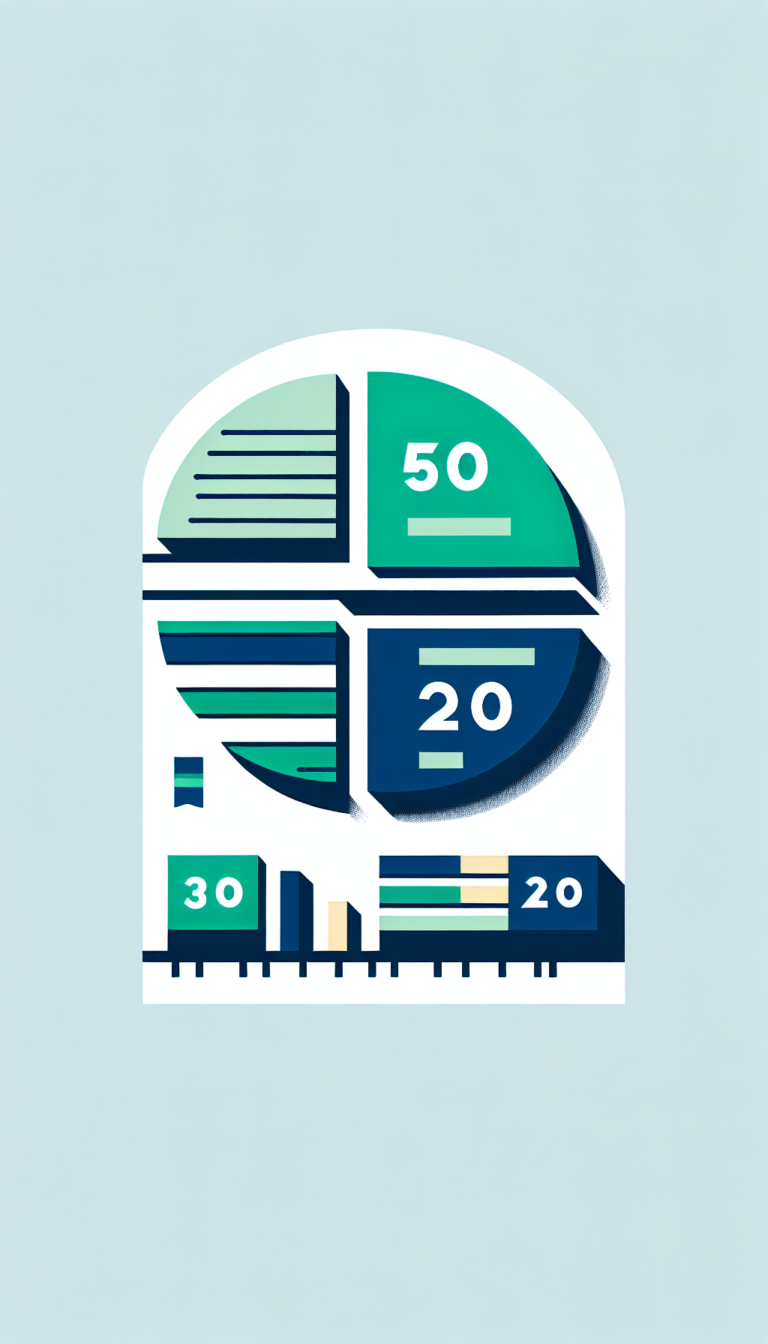
Step 1: Decide how much to save. A common starting point is 20% of your take-home pay, based on the popular 50/30/20 budgeting rule. But if that feels too aggressive, start with 5% or even 1%. The exact amount matters less than building the habit.
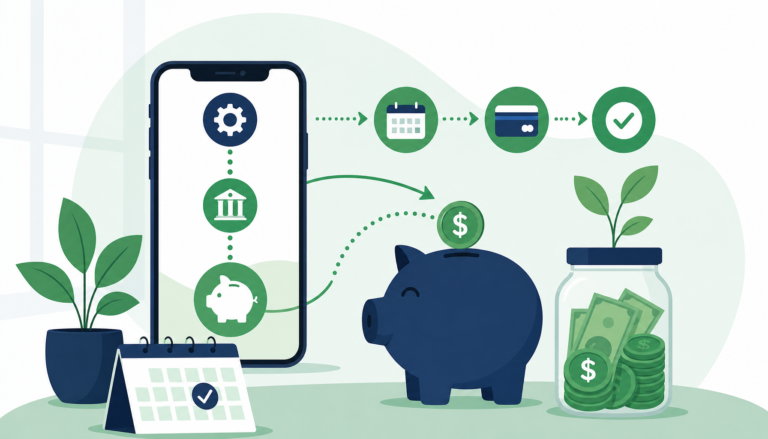
Step 2: Automate the transfer. Log into your bank account and set up an automatic transfer that fires the same day your paycheck is deposited. Most banks allow you to schedule recurring transfers for free. The money moves before you even see it sitting in your checking account.
Step 3: Direct the money somewhere intentional. This is where the method gains real power. Your options include:
- High-yield savings account (HYSA): Great for emergency funds or short-term goals. In 2026, many HYSAs are still offering competitive APYs well above traditional savings accounts.
- Roth IRA or Traditional IRA: Ideal for long-term retirement savings with tax advantages.
- 401(k) contributions: If your employer offers a match, contributing enough to get the full match is essentially free money — arguably the single best financial move available to most employees.
- Brokerage account: For medium-to-long-term investing beyond retirement accounts.
Step 4: Adjust your lifestyle to the remainder. This is the part that feels hard at first and becomes invisible within a few months. Once the automatic transfer is in place, your brain recalibrates to the smaller number in your checking account as your “real” budget.
The Psychology Behind Why This Method Works So Well
Understanding why the pay yourself first method is effective makes it easier to trust and stick with it.
It leverages a concept called automation bias — humans tend to follow automatic processes and leave defaults in place rather than actively changing them. When saving is the default, most people simply adapt their spending to whatever is left. When spending is the default, saving almost never happens consistently.
It also takes advantage of loss aversion. People feel the pain of losing money more acutely than they feel the pleasure of gaining the same amount. Once that transfer is automated, the money feels “gone” — and most people won’t take the extra steps to reverse the transfer and spend it.
Finally, it creates a powerful feedback loop. When you check your savings account a few months in and see real money growing, it feels good. That positive reinforcement makes you want to keep going — and often increase your contributions.
Common Mistakes to Avoid When Getting Started
Even a simple strategy can be undermined by a few common missteps.
Setting the amount too high at the start. Ambition is great, but automating a transfer so large that you constantly overdraft your checking account will kill the habit fast. Start conservatively and increase the amount every three to six months.
Saving into an account that’s too accessible. If your automatic savings land in the same checking account you use for daily spending, the money will disappear. Put it somewhere slightly separate — a different bank, a dedicated savings account, or a brokerage account. The extra step of moving it back acts as a friction barrier against impulse spending.
Forgetting to revisit the amount. Life changes. You get a raise, your rent goes up, you pay off a debt. Revisit your automatic transfer amount every six months and adjust it upward when you can.
Ignoring high-interest debt. If you’re carrying credit card debt at 20%+ interest rates, aggressively saving into a low-yield account while that debt compounds is working against you. In most cases, it makes sense to pay off high-interest debt first — or at minimum, split your extra dollars between debt payoff and savings.
How to Know If Your Credit Profile Is Helping or Hurting You
Before you fully commit to a savings strategy, it’s worth understanding your complete financial picture — including your credit score. A poor credit score can mean higher interest rates on loans and credit cards, which quietly drains money that could otherwise go toward your savings goals.
Credit Karma is a free tool that lets you check your credit score and credit report without impacting your score. It also shows you personalized recommendations for improving your credit and flags any unusual activity. If you’re not already monitoring your credit in 2026, it’s one of the easiest and most useful financial habits you can build alongside the pay yourself first method. Getting a clear view of where you stand financially makes every other money decision easier.
Real-World Example: What Pay Yourself First Looks Like on a $3,000 Monthly Take-Home
Let’s say you bring home $3,000 per month after taxes. Here’s what a simple pay yourself first setup might look like:
- Automatic transfer on payday: $300 to a high-yield savings account (10%)
- 401(k) contribution via payroll: $150 per month (5%, with employer match)
- Total saved per month: $450
- Total available to spend: $2,550
Over 12 months, you’ve saved $5,400 without making a single active decision to do so. If your employer matches 3% of your 401(k) contribution, you’re actually collecting an additional $900 in free matching contributions on top of that.
This isn’t a get-rich-quick scenario. It’s a slow, consistent build — and that’s exactly what makes it sustainable.
Conclusion: Start Small, Start Today
The pay yourself first method doesn’t require a financial degree, a high income, or perfect self-discipline. It requires one afternoon to set up an automatic transfer — and then mostly getting out of your own way.
If you’re in your 20s or early 30s in 2026, time is one of your greatest financial assets. Every month you delay saving is a month of compound growth you don’t get back. The best version of this strategy isn’t the most aggressive one — it’s the one you actually stick with.
Your next step is simple: decide on a number, open a high-yield savings account if you don’t already have one, and set up an automatic transfer for your next payday. Even $25 a week is a start. Build the habit first, then build the amount.
Frequently Asked Questions
What is the pay yourself first method in simple terms?
The pay yourself first method means automatically saving or investing a set amount of your paycheck before you spend money on anything else. Instead of saving what’s left over at the end of the month, you spend only what’s left after saving.
How much should I save when I start paying myself first?
There’s no single right answer, but 10–20% of your take-home pay is a common goal. If that’s too much right now, start with whatever you can — even 2–5% — and increase the amount gradually as your income grows or your expenses decrease.
Is the pay yourself first method the same as a budget?
Not exactly. A traditional budget tracks all your spending categories in detail. The pay yourself first method is more of a savings automation system. Many people use both together, but you can benefit from paying yourself first even if you never build a detailed monthly budget.
What’s the best account to use when paying yourself first?
It depends on your goal. For an emergency fund or short-term savings, a high-yield savings account is a strong choice in 2026 due to competitive interest rates. For retirement, a Roth IRA, Traditional IRA, or 401(k) offers significant tax advantages. For medium-term investing, a taxable brokerage account works well.
What if I can’t afford to save right now?
Start smaller than you think you need to. Even automating a $10 or $20 transfer per paycheck builds the habit and creates a small financial cushion. As your situation improves — through a raise, paying off a debt, or reducing an expense — increase the amount. The habit of saving consistently matters more than the initial dollar amount.