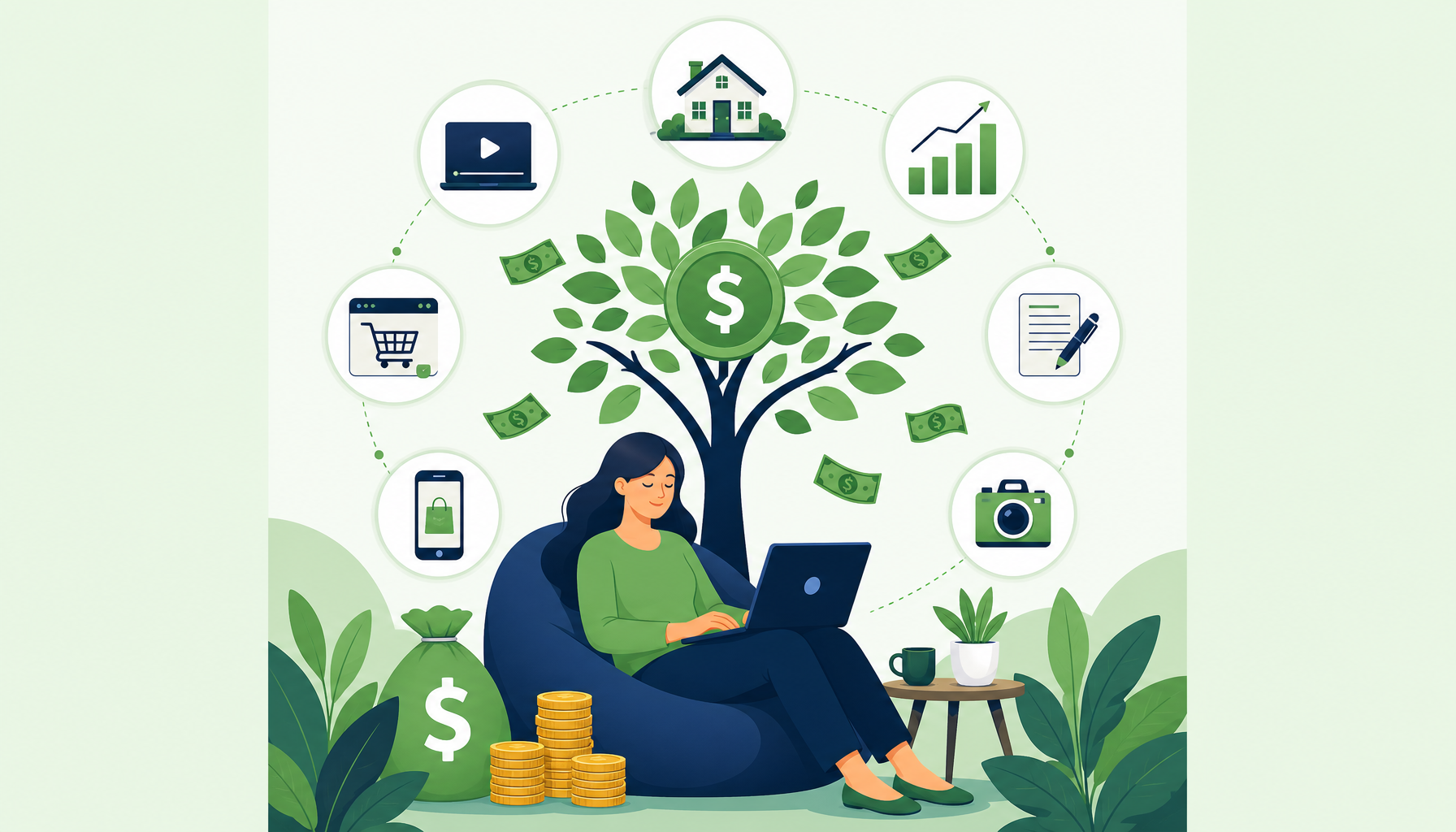
Passive Income Ideas for Beginners: 10 Real Ways to Earn More in 2026
Most people think passive income is only for the wealthy — but in 2026, that couldn’t be further from the truth. With the right starting point, anyone can build income streams that work while they sleep, study, or scroll.
If you’re between 18 and 35 and tired of trading every single hour for a paycheck, passive income is the financial shift you’ve been looking for. It doesn’t mean zero effort upfront — it means putting in the work once and collecting the rewards over time. Here’s how to actually get started, even if you’re beginning from scratch.
What Passive Income Really Means (And What It Doesn’t)
Let’s clear something up right away: passive income is not a get-rich-quick scheme. It requires real effort, real time, or real money — usually some combination of all three — before it starts generating anything on autopilot.
True passive income is money earned with minimal ongoing effort after the initial setup. Think of a rental property that collects rent every month, or a digital product you created once and sell on repeat. The “passive” part kicks in after the heavy lifting is done.
What it doesn’t mean is doing nothing forever. Even the most passive streams require occasional maintenance, updates, or reinvestment. Set your expectations right, and you’ll actually stick with it.
High-Yield Savings Accounts and CDs
If you’re brand new to building passive income and have even a small amount of savings, this is your starting point. High-yield savings accounts (HYSAs) and certificates of deposit (CDs) let your money earn interest without you doing anything extra.
In 2026, many online banks are still offering competitive APYs that blow traditional brick-and-mortar banks out of the water. Putting $1,000 into a HYSA earning 4–5% annually means you’re making $40–$50 a year just for parking your money there. Not life-changing on its own, but it’s genuinely passive and completely low-risk.
CDs lock your money in for a set period — anywhere from a few months to several years — in exchange for a slightly higher interest rate. They’re a solid option if you have funds you won’t need to touch for a while.
This is also a great time to check your credit score and overall financial health before moving into higher-risk income strategies. Credit Karma offers a free credit monitoring tool that helps you see where you stand — no credit card required. Knowing your score can also open doors to better interest rates when you’re ready to invest or borrow.
Dividend Investing for Beginners
Dividend investing is one of the most popular passive income ideas for beginners, and for good reason. When you buy shares in dividend-paying companies or funds, those companies pay you a portion of their profits on a regular schedule — usually quarterly.
You don’t need thousands of dollars to get started. Apps like Fidelity, Schwab, and M1 Finance allow fractional shares, meaning you can invest as little as $5 into a dividend stock or ETF. Over time, as you reinvest those dividends, your portfolio compounds and your passive income grows.
A few things to keep in mind:
- Dividend ETFs are lower risk than individual stocks because they spread your investment across many companies
- Dividend yield tells you how much a company pays relative to its share price — look for sustainable yields, not just the highest ones
- DRIP (Dividend Reinvestment Plans) automatically reinvest your dividends to buy more shares, accelerating your growth
This strategy works best as a long-term play. Give it five to ten years and the snowball effect becomes very real.
Selling Digital Products Online
If you have a skill — design, writing, photography, finance knowledge, music production, anything — you can package it into a digital product and sell it indefinitely. This is one of the most accessible passive income ideas for beginners in 2026 because the barrier to entry is low and the upside is significant.
Digital products include:
- eBooks and guides
- Notion templates
- Lightroom presets
- Canva templates
- Online courses
- Printable planners or budgeting sheets
Platforms like Gumroad, Etsy, and Teachable let you list your products and handle transactions automatically. You create the product once, upload it, and every sale that follows is essentially passive revenue.
The key is solving a specific problem for a specific audience. A budgeting template for college students, a freelance contract template for designers, a meal prep guide for busy professionals — niche beats broad every time when you’re starting out.
Affiliate Marketing Through Content
Affiliate marketing is when you earn a commission by recommending someone else’s product or service. When someone clicks your link and makes a purchase, you get paid. It sounds simple because it is — but building the content that drives those clicks takes consistent effort at first.
The most beginner-friendly approaches include:
- Starting a blog or niche website focused on a specific topic (personal finance, travel, fitness, tech)
- Creating YouTube videos with product reviews or tutorials
- Building an audience on TikTok or Instagram where you share genuinely useful content
In 2026, short-form video continues to be a major driver of affiliate traffic. If you’re comfortable on camera, a TikTok channel reviewing budget tools, apps, or products in your niche can generate affiliate income faster than blogging alone.
The passive element kicks in when your content continues to rank, get views, and drive clicks long after you’ve published it. A YouTube video from two years ago can still earn commissions today if it solves a problem people keep searching for.
Peer-to-Peer Lending and Crowdfunded Real Estate
For beginners who want to put money to work without buying a property outright, two options worth exploring are peer-to-peer (P2P) lending and crowdfunded real estate.
Peer-to-peer lending platforms connect you directly with borrowers. You essentially act as a bank, earning interest on the loans you fund. The returns can be attractive, but so can the risk — borrowers can default. Diversifying across many small loans helps manage that risk.
Crowdfunded real estate platforms like Fundrise allow you to invest in real estate projects starting at just $10. You earn passive income through dividends generated by the properties in your portfolio. It’s not as hands-on as owning a rental property, but you still get exposure to real estate returns.
Both of these options sit in the moderate-risk category. They’re not suitable for your emergency fund, but they’re worth exploring once you have a financial cushion in place and understand what you’re putting money into.
Licensing Your Photos, Music, or Art
If you’re creative, you may be sitting on passive income potential without even knowing it. Stock photo websites, music licensing platforms, and digital art marketplaces let creators upload their work once and earn royalties every time someone downloads or uses it.
Some platforms to explore:
- Shutterstock and Adobe Stock for photos and videos
- Pond5 for music and sound effects
- Redbubble and Society6 for art prints and merchandise
The income per download is usually small — sometimes cents — but volume adds up. If you’re a photographer who consistently uploads quality images, you could be earning hundreds or even thousands of dollars a year from a library you built over time.
This works especially well as a side strategy layered on top of something you’re already doing. Traveling? Upload your photos. Making music? License your beats. The work is already being done — you’re just monetizing it.
How to Pick the Right Passive Income Stream for You
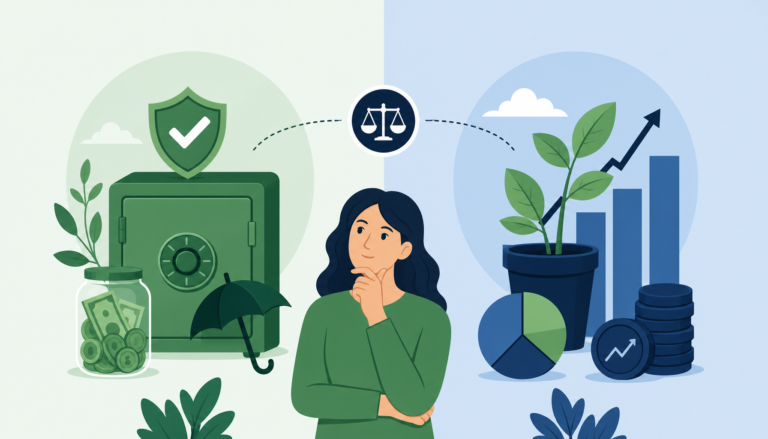
Not every passive income idea makes sense for every person. The right one depends on what you have more of right now: time, money, or skills.
- If you have more time than money: Start with content creation, affiliate marketing, or digital products. These cost little to nothing to start but require consistent effort upfront.
- If you have more money than time: Look at dividend investing, high-yield savings, crowdfunded real estate, or CDs. Your capital does the heavy lifting.
- If you have in-demand skills: Licensing, digital products, and affiliate marketing through authority content are your best bets.
The biggest mistake beginners make is trying to launch five income streams at once and burning out before any of them gain traction. Pick one, commit to it for six months, and let it start working before adding the next layer.
Start Small, Stay Consistent, Scale Up
The goal in 2026 isn’t to replace your full-time income overnight — it’s to plant the first seed. Even $50 a month in passive income changes the way you think about money. It proves the concept works. And once you see it working, you’ll find a way to grow it.
Set a micro-goal: earn your first $100 passively. That might mean opening a HYSA this week, uploading your first digital product next week, or investing your first $20 in a dividend ETF. None of these moves are dramatic on their own. But they stack.
The people who build meaningful passive income streams aren’t smarter than you. They just started earlier and stayed consistent when results were slow. In 2026, your competition is everyone who’s still waiting for the perfect moment. Don’t be that person.
Frequently Asked Questions
What is the easiest passive income idea for a complete beginner?
The easiest starting point is a high-yield savings account. There’s no learning curve, no risk of losing your principal, and your money earns interest automatically. It won’t make you rich, but it’s the simplest first step while you learn about other options.
How much money do I need to start earning passive income?
You can start with as little as $5–$10 using apps like Fidelity or Fundrise. For digital products and content-based affiliate marketing, you can start with virtually no money — just time and consistency.
How long does it take to see results from passive income?
It depends on the method. A high-yield savings account pays interest immediately. Dividend investing and content-based strategies typically take six months to several years before generating meaningful income. Patience is part of the strategy.
Is passive income taxable?
Yes. Almost all forms of passive income — dividends, interest, affiliate commissions, digital product sales — are subject to income tax. In the US, you’ll typically need to report this on your tax return. Keep records of your earnings and consider working with a tax professional as your income grows.
Can I build passive income while working a full-time job?
Absolutely, and most people do. Many of the best passive income ideas for beginners — like dividend investing, digital products, and affiliate marketing — can be built in the evenings and weekends. The goal is to start small, build gradually, and let the income grow alongside your regular paycheck.